5 Must-Read Novels by Japanese Women Writers
These five novels by Japanese women authors are a must-read for book lovers.
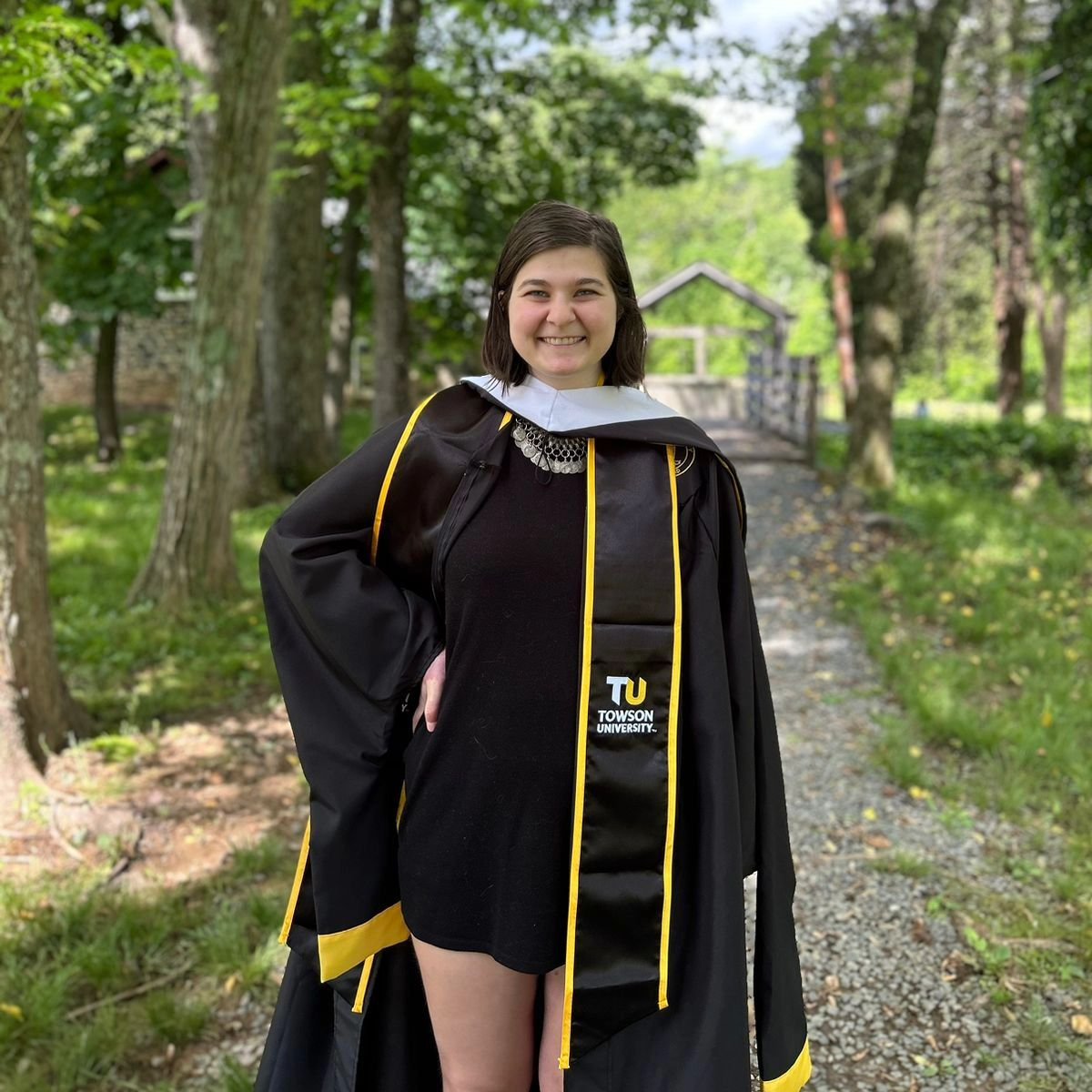
If you’re new here, and stumbled upon this blog through the mythical powers of the Internet, welcome! I know a lot of visitors to my website are people who randomly come upon this website through search engines like Google, but I also do have a lot of visitors who come back. Regardless: my name is Ashley, and I started this blog in order to keep track of everything I’m coming across in the world.
Long-time readers of my blog probably know that my home base has always been Korean literature. It’s what I ended up doing my master’s thesis on, I studied abroad in Korea twice on prestigious scholarships, and, at the time of writing this, I’m planning to move back to Korea temporarily for a Fulbright.
That said, when I was young and in middle school, reading everything in sight, I actually started my forays into the world of Asian literature through Japan. I still read a lot of Japanese literature today; in fact, outside of Asian American and broader American literature, most of my reviews are about Korean and Japanese literature as a whole.
And particularly in Japanese and Korean literature is a certain scenario: in translation more women than ever are being translated than man. Which is ironic, as men dominate the literary scenes in both of these countries, leaving women struggling to get published, achieve recognition, and then get monetary support for their writing and work.
But for Asian literature in translation, there are a ton of women getting big publisher support and people are indeed buying their books. It’s interesting, having studies Asian lit in context and knowing the patriarchal constraints these women have been defined by, and I’m really proud of these authors finding new life on the global stage and getting the recognition they deserve.
All of this is to say: I wanted to make a blog post compiling some of my favorite Japanese books I’ve read lately from women writers, as I’d love to sing their praise whenever I get the chance. Writers work so hard to make their stories come alive, and we should celebrate that!
Let’s get into the list!
Territory of Light by Yuko Tsushima
Tsushima’s trajectory is an interesting just from this fact alone: she’s the daughter of the novelist Osamu Dazai, but we shouldn’t let her father’s legacy define her own. Territory of Light is one of her masterpieces, and it was originally published through a serial magazine.
In the novel, a woman with a young daughter is learning how to live her life after her husband left her. They move into a new apartment in Tokyo, where the concept of light is slowly diminishing in her life. While the novel begins in a hopeful note, it shows how the protagonist struggles after her husband left them behind, as well as how light is something that appears in even some of the most surprising spots.
Territory of Light is a relatively short novel, but I found it to be quite impactful. I finished it in about an hour and to this day I still find myself thinking about it, all of those years later.
Hunchback by Saou Ichikawa
Hunchback is a novel that is groundbreaking for several reasons, but a big one is that its author and protagonist are both disabled. It’s a perspective few have seen in the Japanese context, let alone in English literature, which is why this novel is a gem and deserves all of the accolades and flowers it won.
Its protagonist is Shaka, who has a congenital muscle disorder. She lives inside of a care home, as she’s wheelchair bound, needs assistance with eating and basic everyday activities, and she requires a ventilator. But that doesn’t stop her from learning and interacting with the outside world. Shaka works as a writer, has a Twitter where she rage and toll tweets into the void, and even takes classes whenever she can on her tablet.
When she tweets asking for a sperm donor, offering a large amount of money in return, it’s going to change her circumstances drastically—especially when it’s her new male nurse asking to be that donor.
Lonely Castle in the Mirror by Mizuki Tsujimura
Lonely Castle in the Mirror has received adaptations for the screen, but once upon a time it was a book I found at my local library and decided to pick up on a whim. I had not heard of the author or the book before picking it up, but this is one of the few books that actually made me shed some tears by the time I finished it.
The premise of this novel is that seven students actively being bullied at their schools, or simply struggling with being a young adult, look into their mirrors one day and find a portal to another world. When they step through the mirror, not only do they meet each other, but they find themselves in a huge castle where they can play and be free.
When they’re given a task of finding a key, which will give a single wish to whoever finds it, it opens up a new can of worms, as it will erase the castle and destroy their memories of it. When they befriend the keeper of the castle, the Wolf Queen, they have new secrets to uncover, all while finding more about themselves in the process.
Out by Natsuo Kirino
Fun fact: Out was one of the first Japanese books I bought myself. I think I purchased it with an Amazon giftcard when I was in high school, and I cherished my used copy of this book for years. I think at the time of typing this I’m actually going to revisit the book, as it hasn’t been picked up in a while.
The premise of Out is a fun one: its protagonist, who lives in the suburbs of Tokyo, finally snaps at her husband and strangles him one night. She recruits her coworkers at the bento box factory she works at to help her hide the body and get away with the crime, which creates some compelling scenarios in which they, people who have never committed a crime before now, have to evade the police.
Mina’s Matchbox by Yoko Ogawa
Yoko Ogawa is best known for her novel The Memory Police, but I actually decided to include my favorite novel of hers (so far) on this list: Mina’s Matchbox. It serves as a little time capsule of a specific moment in Japanese history, especially when there’s a crossover between the more modern era and the imperial period that was left behind.
Set in 1972, the protagonist is Tomoko, who is twelve and leaves her mother in Tokyo for the seaside town of Ashiya. There, her aunt lives in splendor, as she married a wealthy foreigner. Tomoko’s cousin Mina is the center of the novel and her source of love and entertainment throughout her time there, especially considering how different life at her aunt’s house is going to be.
Over the course of months, Tomoko uncovers the mysteries behind these family members, as well as some dark secrets contained within this household. This is very much a novel that’s about a series of formative events in its characters’ lives, building up tension in the background, making it a bit of a slower read—but that’s okay for a warm summer evening on the porch!
Follow me below on Instagram, Goodreads, and Letterboxd for more.
![Jeju-do (제주도) is one of those places that reminds you of how stunning the world is
[7.12.2024 부터 7.14.2024 까지]](https://images.squarespace-cdn.com/content/v1/5ea1f794501b7153b29e7cd7/1721033601522-554E76HR01JUHDWZBJ1I/image-asset.jpeg)