5 Novels About Contemporary Iran Everyone Should Read
These five books on contemporary Iran are must reads.
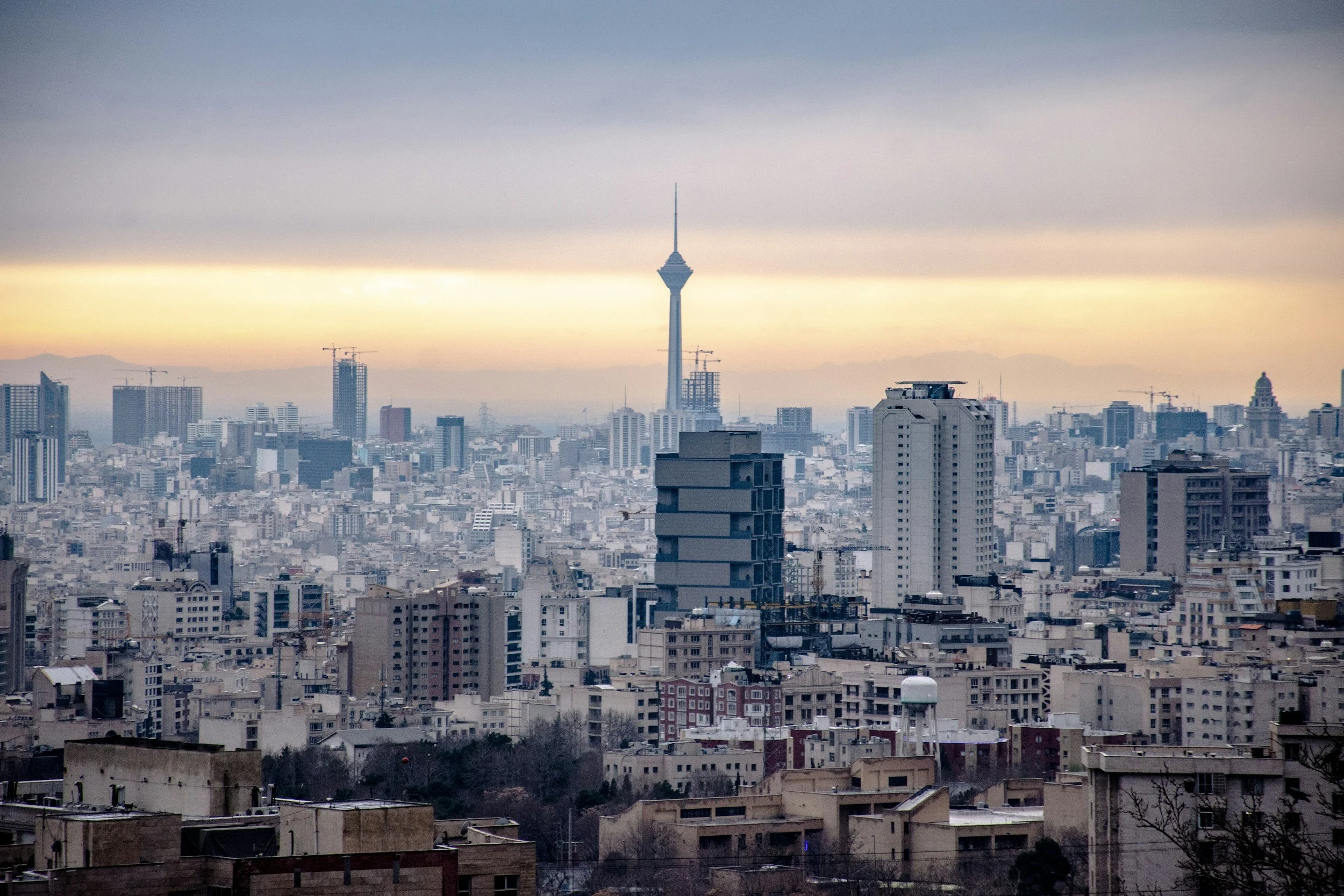
My journey with Iranian literature has been slow, but throughout the years, I’ve been intentionally trying to read more and more from the books that do manage to come out of Iran. In the English-speaking world, due to how Iran is closed off, we tend to get more diaspora books than books in translation.
It’s simply a sad fact because people don’t really learn Farsi, unless, in the American context, they want to work for specific branches of the government. Iranian publishing is also so isolated and sometimes censored that the stories and narratives that are very interesting and thought provoking are shoved back down to the bottom of the pile.
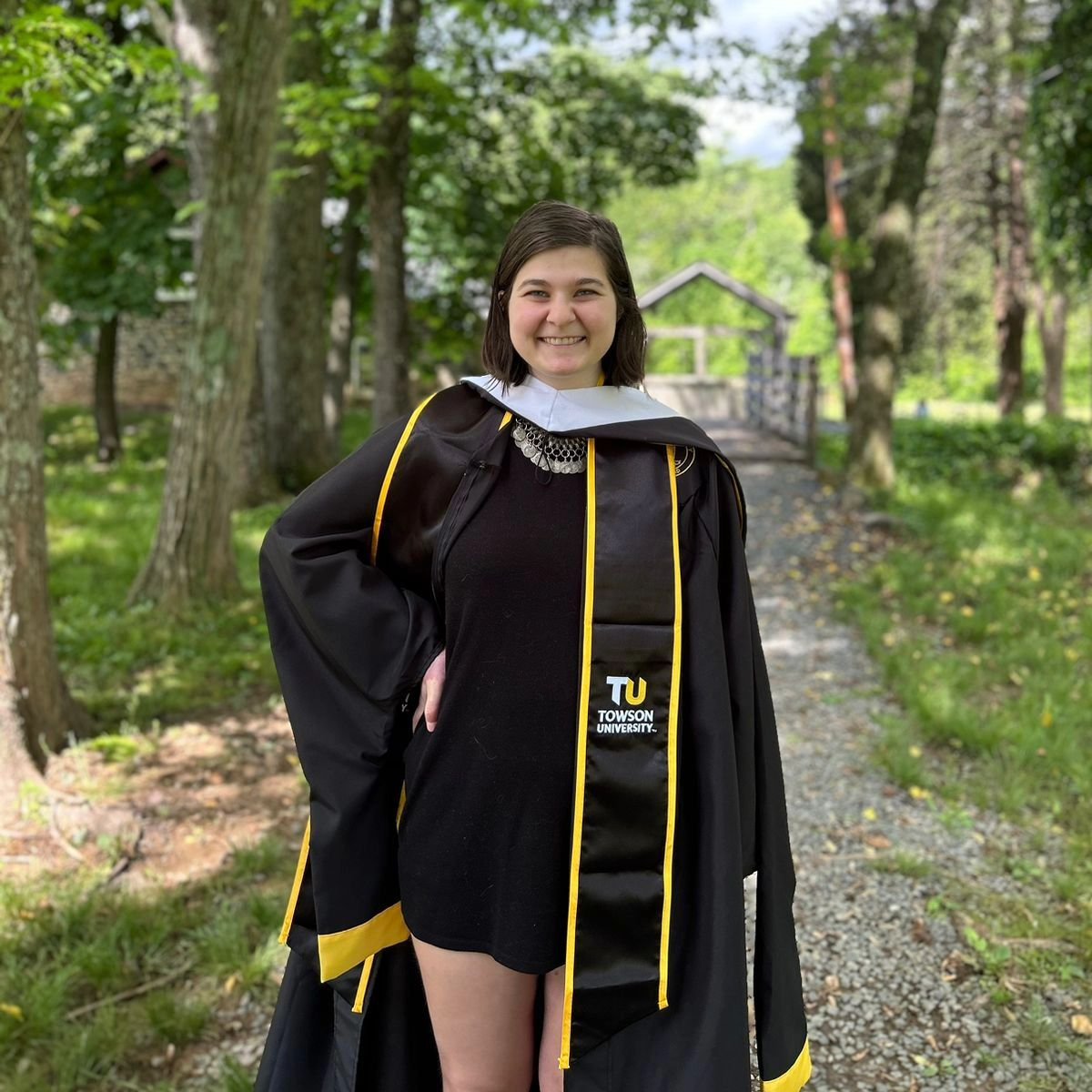
All of this said, let me introduce myself real fast: my name is Ashley, and I am an Iranian American writer. I’ve spent a lot of my life in the United States and grappling with what people think about Iranians and the misconceptions the media puts out there.
I wanted to make this blog post after the war because of sentiments I was seeing about Iran and its diaspora. A lot of people simply don’t know about what it means to be Iranian, so when I saw average people and social justice warriors alike adopting stances that really were not it (like being pro-Iranian government because they supported Palestine), I turned back to books.
These are five books about contemporary Iran I’m rounding up and curating—books are a lens into everyday lives and worlds, and these books are a way to learn more about Iran itself.
The Lion Women of Tehran by Marjan Kemali
I absolutely adored Marjan Kemali’s novels, but The Lion Women of Tehran is my favorite book she has published so far. I remember I went to an Iranian American women writers panel at the writers’ conference where she spoke about it, and there was a tenderness in her voice that made me think she really enjoyed writing this, too. The writing itself is gorgeous.
The Lion Women of Tehran is about Ellie and Homa. It’s 1950s Iran, under the rule of the Shah, and when Ellie’s father passes away, she no longer has access to the same wealth she once had. When Ellie meets Homa, the daughter of political activists, on the other side of town, it literally opens up their world.
While they wander Tehran they dream of becoming lion women, but as we see with the politics of Iran leading up to the revolution, their paths are going to drastically diverge. This feels like both a love story and a tragedy in the making as we read who they grow up to be.
For the Sun After Long Nights: The Story of Iran's Women-Led Uprising by Fatemeh Jamalpour and Nilo Tabrizy
For the Sun is a work of nonfiction that was published relatively recently (at the time of typing this). It’s a collaborative work by two journalists—one who was at The New York Times and later The Washington Post, and another bravely getting information out of Iran in the middle of the Woman, Life, Freedom protests.
While Jamalpour is in Iran, trying to get information to Tabrizy, she wholeheartedly joins the protests after Mahsa Amini’s death. This is an overview of what led up to the massive protests that rocked Iran in the early 2020s, which was a precursor to the ones in 2025 and 2026, and Jamalpour provides eyewitness accounts while Tabrizy describes the diaspora experience and mood in the newsroom.
We also learn quite a bit about their own lives, and, in the end, what led them to both be in exile from Iran for their work.
Women Without Men: A Novel of Modern Iran by Shahrnush Parsipur
Women Without Men is one of the older books on this list, but it’s pretty important. This book ultimately was banned in Iran and Parsipur was thrown in jail because of its content. Shirin Neshat, the Iranian American artist, ultimately adapted the novel for film.
Women Without Men is a short novel that bounces perspectives throughout it pages. As Iran goes through political turmoil and a coup, a group of women decide to defy expectations and live together.
What ensues not only has a dash of magical realism, but it also is an honest look at women’s expectations, desires, and everything that they do for each other in their everyday lives. You can tell they live under a rigid system and are doing all they can to survive in it, making their resistance a feminist one in deeply patriarchal settings and contexts.
In Case of Emergency by Mahsa Mohebali
In Case of Emergency is one of the few novels from Farsi I’ve managed to find in more mainstream bookstores. It’s always at the McNally Jackson I go to in New York City, nestled in-between authors from the Arab and Turkish world. Personally, it did take me a while to get to reading this one though. It was also put out by Feminist Press (like Women Without Men).
This novel is a bit of a satire, so if you don’t know what to expect going into it, you may not like it as much. Its protagonist is Shadi, who one day wakes up in Tehran and discovers the world is basically ending. There are earthquakes happening outside and chaos—the people of Tehran are fleeing, while the skaters are reclaiming the streets.
Shadi is also an opium addict and her stash is low. She wanders out onto the streets to find her next hit, going from her family, who are also all hot messed, to her friends, who are quite pessimistic and reading to throw themselves onto the streets as well.
The Little Black Fish by Samad Behrangi
I wanted to put someone from an ethnic minority on this list, and Samad Behrangi was one of the first to come to mind. He was from Iranian Azerbaijan and did a lot of books for children, but he was tragically killed at the age of 29 because of his anti-Shah beliefs. It was believed that SAVAK, the Shah’s secret police force, killed him specifically.
The Little Black Fish is a kid’s book, but it goes beyond the standard storytelling to bring in some really relevant themes in the Iranian (and world) context. An older fish tells a story about the Little Black Fish who wandered away from his part of the river to learn more about the world.
When he meets other fish, lizards, and a bird, he discovers new perspectives and even politics. All of this feels apt for an Iranian author living in a strict, rigid world—even before the Islamic Republic—and that makes this quite the compelling read.
Now go ahead and read these books if you have not already! I promise at least one might be worth seeking out for many readers.
Follow me below on Instagram, Goodreads, and Letterboxd for more.
![Jeju-do (제주도) is one of those places that reminds you of how stunning the world is
[7.12.2024 부터 7.14.2024 까지]](https://images.squarespace-cdn.com/content/v1/5ea1f794501b7153b29e7cd7/1721033601522-554E76HR01JUHDWZBJ1I/image-asset.jpeg)