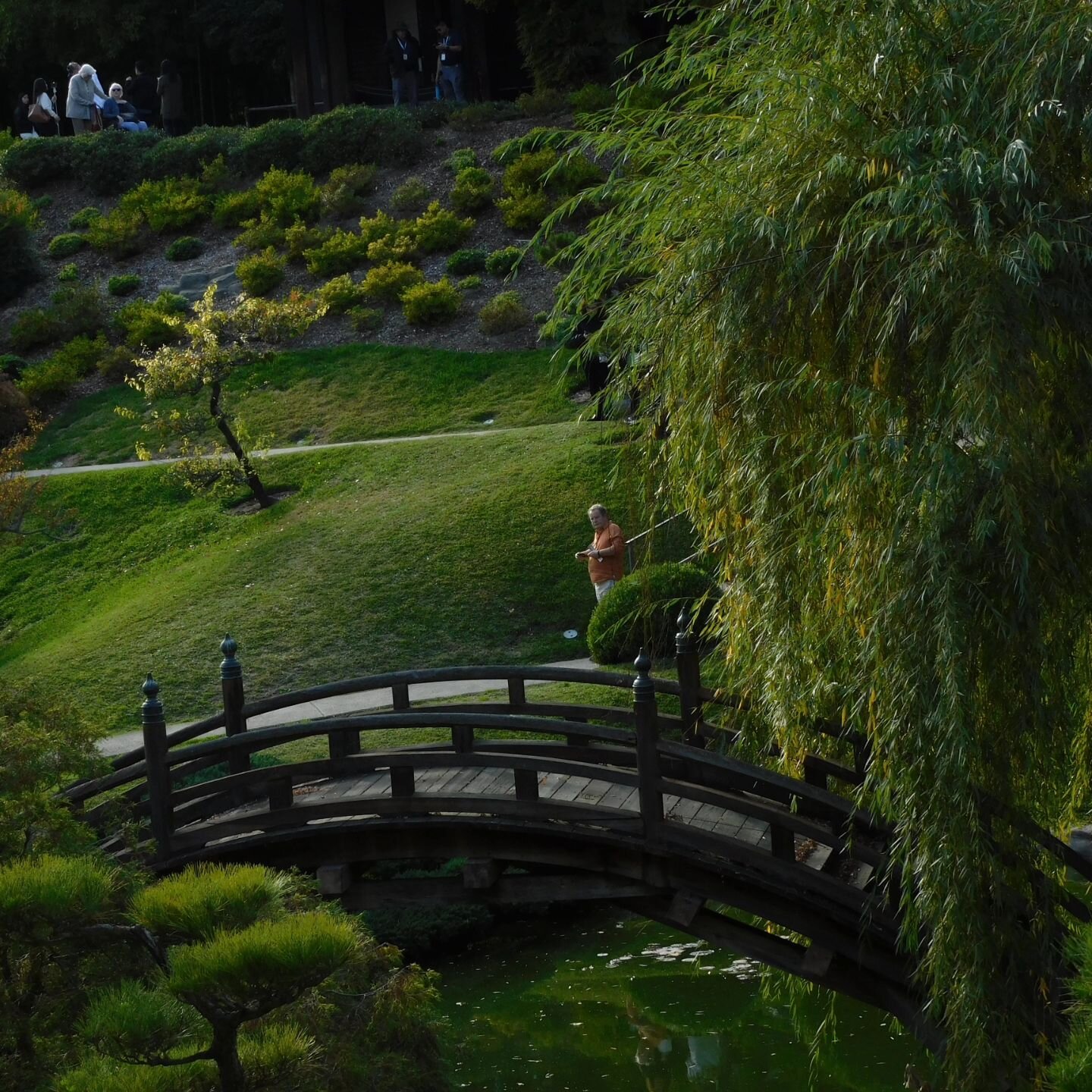
Braised Pork by An Yu
Review of Braised Pork by An Yu
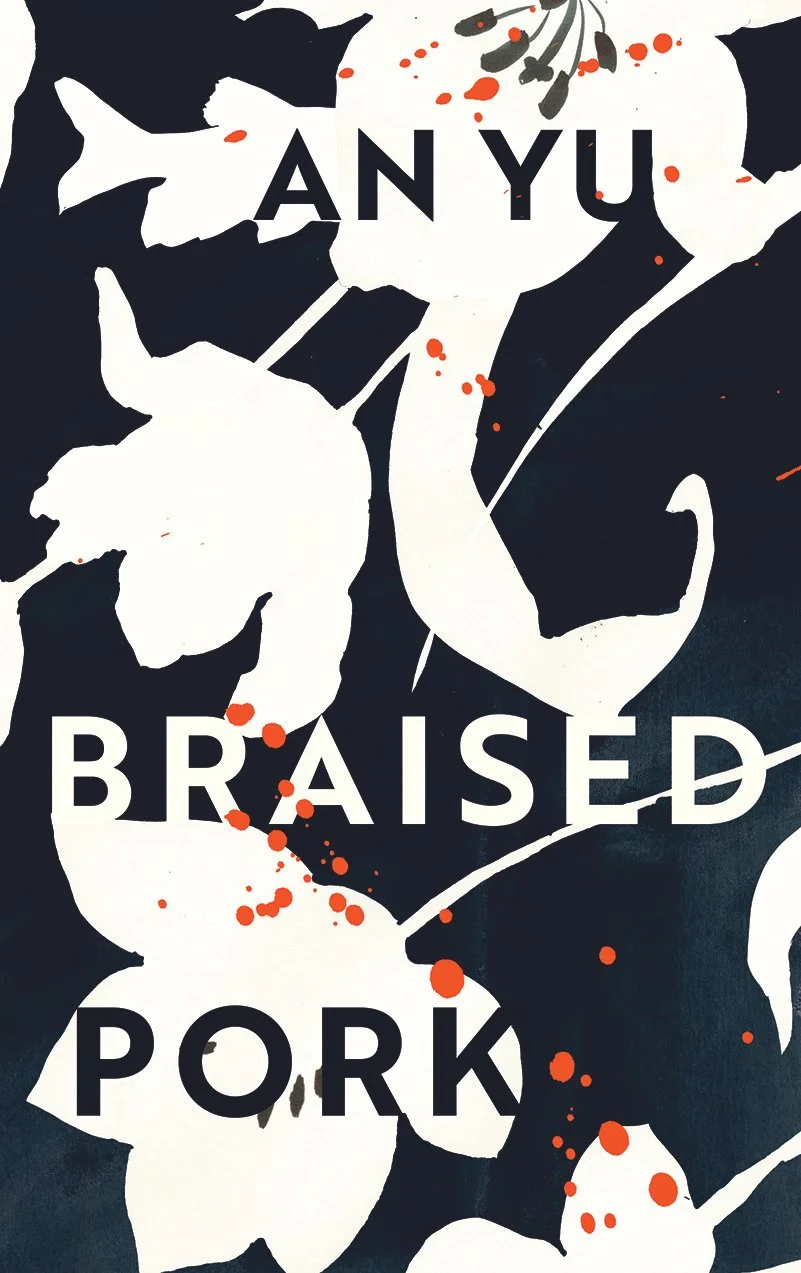
Braised Pork by An Yu (2020). Published by Harvill Secker.
If you’re new here, and stumbled upon this blog through the mythical powers of the Internet, welcome! I know a lot of visitors to my website are people who randomly come upon this website through search engines like Google, but I also do have a lot of visitors who come back. Regardless: my name is Ashley, and I started this blog in order to keep track of everything I’m coming across in the world.
This blog post is interesting to me because lately, I’ve been struggling to get in my reading time. I was working for the longest time as a freelancer and contractor, but recently pivoted to an 8-5 job where I’m in an office. It’s not hybrid, so I’m always at home trying to put the puzzle pieces together of how I’ll get my reading done. I also continue working on this blog when I’m not at work, so the Instagram reels I’m fed about a 5-9 feel too real right now.
Anyways, I am trying to find that time to read here and there. Somehow I’m still on track for my Goodreads goal, even though I’ve been slowly giving up on the notion of reading goals in life. I think they can be a little too much pressure and takes the fun off of reading at the end of the day, and I want to read because I want to stay in touch with literature while also pursuing my side career as a writer.
I’ve been trying to pick up books that interest me in order to cultivate a better reading habit. I’m learning more and more as I get older that I don’t want to waste my time on things that don’t interest me, so if a book isn’t something I’m feeling fifty pages in, then I put it down and decide if I want to read it another time or not.
I’ve been wanting to read more Chinese literature lately, so when I spotted a copy of Braised Pork at my local library branch, I decided to pick it up. The synopsis is what ultimately drew me in as well!
Let’s get into the review before I start rambling too much.
After the death of her husband in their Beijing apartment, a woman reconciles with her life after the fact.
This novel opens with a tragedy: the main character, Jia Jia, walks into the bathroom of the apartment she bought with her husband. They live in Beijing and have “made it,” although they are not rich, but when she walks into the bathroom that fateful day, she finds her husband dead.
He’s in the bathtub and unresponsive, and there is no bringing him back. Next to him lies a piece of paper that’s going to also change Jia Jia’s life and perception of him, especially when it comes to unlocking the mystery of what’s happened here and with her life.
Jia Jia becomes obsessed with the sketch that was there, especially as she struggles with what just happened. The apartment is worth quite a bit of change, so she lives there comfortably for a bit, then hits up the neighborhood bar.
There she meets a bartender she will slowly but surely become romantically involved with, adding even more tension in her life after her husband’s death. The novel follows her throughout her journey of grief and moving on, even though her husband wasn’t the best to her, as well as the aftermaths of her decisions.
At one point we even take a brief interlude to Tibet, which seems like straight off the bat what might be the spiritual redemption spot for people in China. I can see why with the Buddhism connection, Jia Jia, while excavating the circumstances of her past, finds herself literally at a spiritual high there as well.
All in all, I describe this as a pretty brief novel. It reads fairly quickly and accessible—that’s why it might seem like the events I’m describing are simple. I would describe this as a straightforward, or simple, novel in that sense.
Overall Thoughts
Something that always interests me about these kinds of novels is about how a major city plays a role in the novel itself. Beijing, and then Tibet, are characters that have their own roles in this novel, too. Whether it’s Jia Jia in her lonely little Beijing apartment or finding solace in a neighborhood bar, Beijing seems like it’s closing in on this one woman.
Tibet then serves as this open-aired mountain with kind people and a tantalizing offer for spiritual redemption. It’s a a stark contrast to one of the biggest cities in mainland China, politics aside.
I didn’t love or hate this novel in the end. It was just kind of there. The writing was good, but it feels bogged down in the details. I described it as straightforward, but at the same time it comes across as a bit out-of-focus in the finer moments.
I say go read it if you’re interested though! It’s definitely worth picking up if you come across it at your local indie bookstore or at the library.
Follow me below on Instagram, Goodreads, and Letterboxd for more.
![Jeju-do (제주도) is one of those places that reminds you of how stunning the world is
[7.12.2024 부터 7.14.2024 까지]](https://images.squarespace-cdn.com/content/v1/5ea1f794501b7153b29e7cd7/1721033601522-554E76HR01JUHDWZBJ1I/image-asset.jpeg)