How to Kill a City by Peter Moskowitz
Review of How to Kill a City by Peter Moskowitz
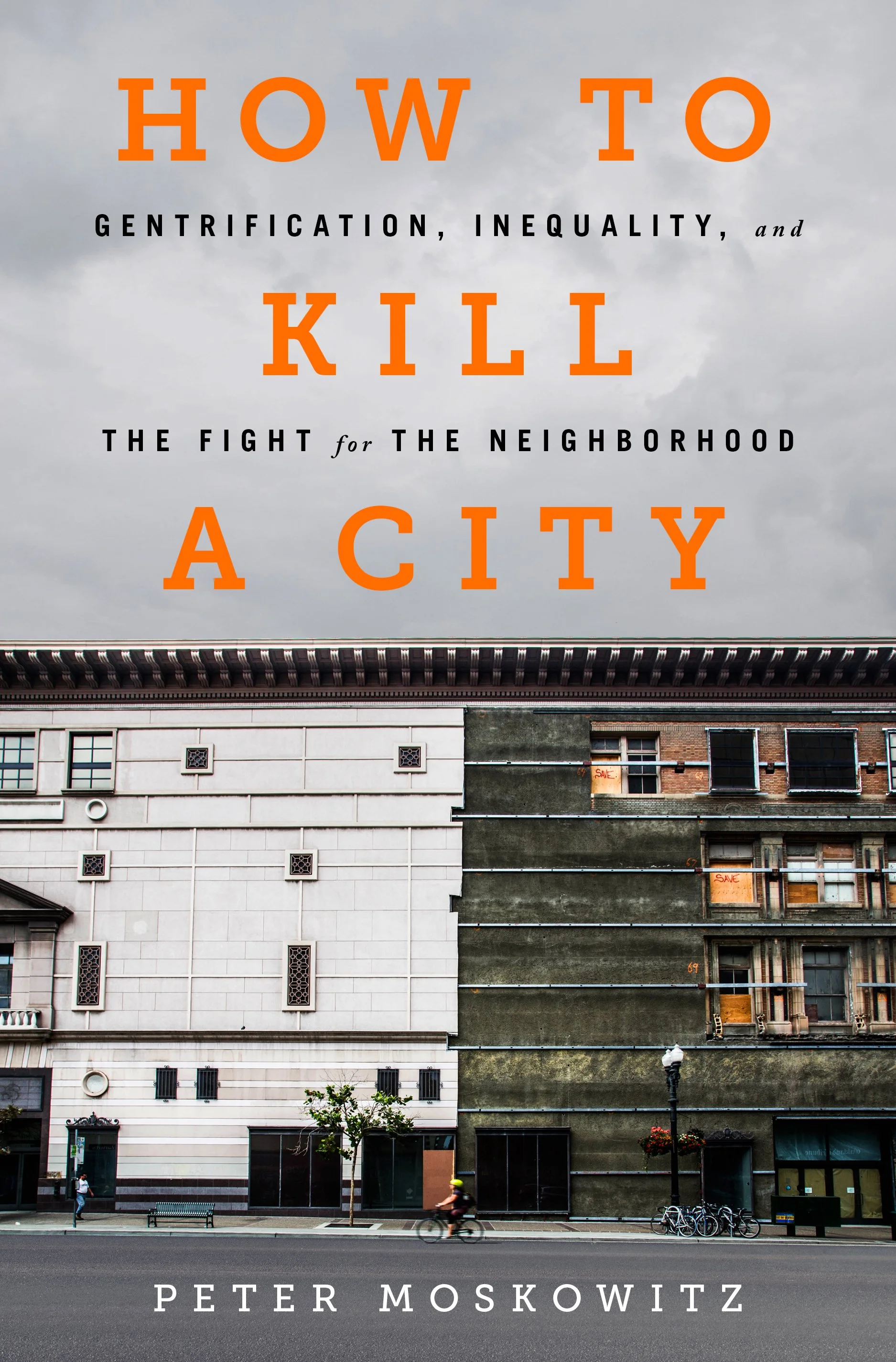
How to Kill a City by Peter Moskowitz (2017). Published by Bold Type Books.
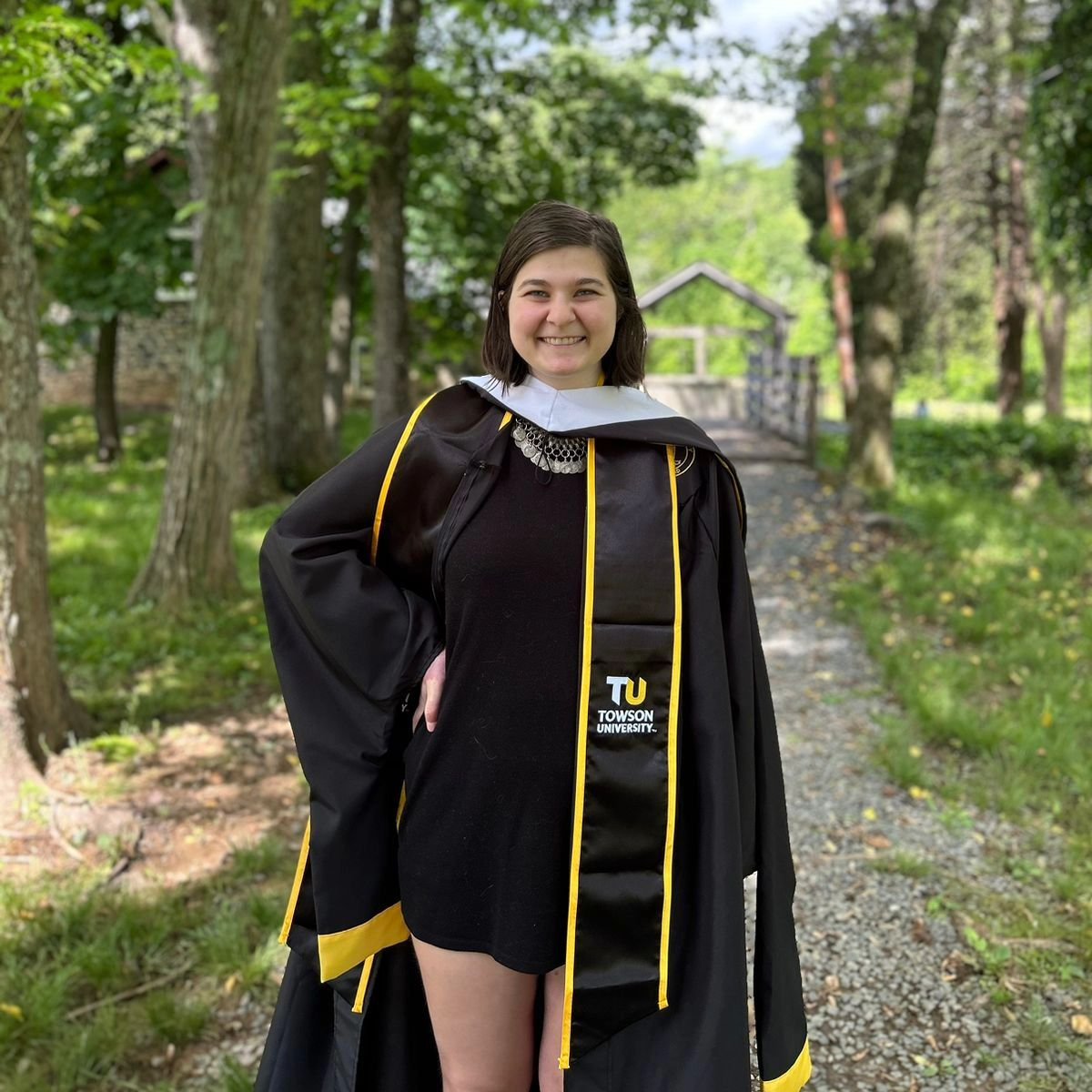
If you’re new here, and stumbled upon this blog through the mythical powers of the Internet, welcome! I know a lot of visitors to my website are people who randomly come upon this website through search engines like Google, but I also do have a lot of visitors who come back. Regardless: my name is Ashley, and I started this blog in order to keep track of everything I’m coming across in the world.
This blog post is interesting to me because lately, I’ve been struggling to get in my reading time. I was working for the longest time as a freelancer and contractor, but recently pivoted to an 8-5 job where I’m in an office. It’s not hybrid, so I’m always at home trying to put the puzzle pieces together of how I’ll get my reading done. I also continue working on this blog when I’m not at work, so the Instagram reels I’m fed about a 5-9 feel too real right now.
Anyways, I am trying to find that time to read here and there. Somehow I’m still on track for my Goodreads goal, even though I’ve been slowly giving up on the notion of reading goals in life. I think they can be a little too much pressure and takes the fun off of reading at the end of the day, and I want to read because I want to stay in touch with literature while also pursuing my side career as a writer.
How to Kill a City is a book I’ve actually been meaning to read for the longest time, but in graduate school I was a little too busy reading theory and about colonial Korean history, while after that I got my full-time job and sold my soul to working. Well, now was the time, as I saw the book on my library to-read list and then checked it out immediately.
I read it in New York City, in Park Slope, ironically enough. Let’s get into the review!
An outline on major American cities and how gentrification has slowly, but surely, appeared in each one.
We begin this nonfiction book by discussing what exactly gentrification is. Like the word “genocide” it’s something that’s actually been created in more modern times, as before there was language to explain this kind of terminology. When I was in graduate school I think we would call it a slow form of violence against certain communities, as like outlined by the author of this book, it’s something that happens over the course of decades.
It begins with the fancy coffee shops, then, as Moskowitz describes it, as something that happens in waves. There are the hipsters, then the young professionals, then the people who can only afford an apartment if they’re a part of a capital elite.
More interestingly is that Moskowitz uses several American cities as examples to show how similar scenarios are playing out. We begin in New Orleans, which, after Katrina especially, communities who lived in certain neighborhoods were given so little FEMA money they could no longer afford the areas they lived in, as they were gentrified by this point.
There are three other case studies throughout this book: Detroit, San Francisco, then New York City. Each of these cities is going through a different form of gentrification, but the root causes and the methodologies are the same. We’re really seeing it in the news with New York City and San Francisco, but we don’t often think of Detroit and New Orleans when we talk about gentrification.
I found Moskowitz’s recollection of what New York City used to be like, how the tenants in their childhood apartment building slowly changed and no longer said hello to them in the halls, is the most powerful testimony to back all of this up. I like the cold hard facts and research, but after all of that it feels personal and becomes direct to the author, not just the subjects they interviewed.
My city, Baltimore, was not directly mentioned in this narrative about gentrification, but I could see the same warning signs that Moskowitz is talking about in my own home. I can see the expensive restaurants and coffee shops, as well as the story that “Baltimore has changed, let’s move there” drawing people in.
Overall Thoughts
Moskowitz isn’t offering any easy solutions with this book—in fact, I don’t think it’s really easy to fight against gentrification, especially when it involves companies and people with lots of wealth and cultural capital. That’s why, almost a decade after this book was published, that it’s interesting we get people like Mamdani in office for New York City mayor.
That said, this is a really good read if you want to understand gentrification in the American context. I imagine gentrification in Seoul, for example, would follow similar playbooks, but it would have its own unique cultural context and different ways of interpreting what was going on behind the scenes. I do see this book as a strategy guide in some ways for understanding it—and it’s a good primer.
Pick this one up if you’re interested in learning more about the subject. If I was teaching a college class soon on urban studies and/or American studies, I would probably assign this reading!
Follow me below on Instagram, Goodreads, and Letterboxd for more.
![Jeju-do (제주도) is one of those places that reminds you of how stunning the world is
[7.12.2024 부터 7.14.2024 까지]](https://images.squarespace-cdn.com/content/v1/5ea1f794501b7153b29e7cd7/1721033601522-554E76HR01JUHDWZBJ1I/image-asset.jpeg)