Summertime (1955)
Review of Summertime, directed by David Lean
If you’re new here, and stumbled upon this blog through the mythical powers of the Internet, welcome! I know a lot of visitors to my website are people who randomly come upon this website through search engines like Google, but I also do have a lot of visitors who come back. Regardless: my name is Ashley, and I started this blog in order to keep track of everything I’m coming across in the world.
I feel like a lot of my blog introductions, especially when it comes to movies, have been lamenting on the fact I don’t have a ton of time lately. I used to work as a film critic (which, in fact, was so incredibly underpaid that I now make more off of this blog’s display ads than I ever did publishing anywhere else), and then when I was in graduate school I was writing a lot about film, so I used to watch so many movies.
But now I work an 8-5, come home, and then doom scroll my evenings away instead of watching the movies I used to love so dearly. And recently I realized I want to stop doing that, so I’ve set limits on my phone and am fully prepared to sit back and watch more movies and read more books in order to feed my brain.
I elevated this game by acquiring a Criterion subscription a few months back. Before getting my job I was a lot more tight with my money, and although I could technically afford the Criterion subscription, I put it into investments instead. But now I’m investing in my brain more along with my longterm retirement, which is a great feeling.
I don’t know why, but I’ve been on a 1950s movie kick lately. Whenever I see one suggested to me, I kind of just press play and see what it’s about. Most of the time I’ve been pleasantly surprised, but there have been some mediocre movies mixed in. The point of this tangent though? It’s how I watched Summertime.
Let’s get into the review!
While on a once-in-a-lifetime trip, an American woman from Ohio falls in love with an Italian man in Venice.
Our main character in this movie is Jane Hudson. She’s a secretary from Akron, Ohio, traveling on her dream vacation throughout Europe. She’s reached her last stop, Venice, and she’s excited to see everything the ancient city has to offer. She arrives in the city and takes a vaporetto, where she meets two other Americans: Edith and Lloyd. They’re all staying in the same hotel run by Signora Fiorini.
There’s another American couple staying at the hotel, Phyl and Eddie, but Jane mainly spends her days wandering around. Sometimes she’s bothered by a street urchin named Mauro, who happens to know some English. Her very first night, though, Jane wanders into the Piazza San Marco, but finds herself saddened by being surrounded by many couples.
She’s seated at the cafe in the Piazza San Marco, the famous one, when she spots a man watching her at a table behind where she’s sitting. He helps her get the bill then she flees back to the hotel. The next day she wanders into an antique store and wants to buy a red glass goblet; turns out the man, Renato de Rossi, is the same one who was watching her in the piazza.
He tells her about how the goblet is an artifact, then she buys it. He helps her bargain for it, then tells her he would help her find a matching goblet. She goes to the shop the next morning with Mauro, then finds out that Renato is not there. They go back out into the street, and she accidentally wanders into a canal while using her camera to film the shop. With Mauro she ventures back home after a concerned crowd helps her out of the canal.
That same night Renato comes to her hotel and confesses his love. She says no, he tells her to chase her happiness, and just about when she agrees to dinner the one couple returns from Murano. They show off their red goblets similar to the one she bought at the antique shop, and, thinking Renato scammed her, things change.
He tells her that it was an antique he sold her, and she then agrees to go to dinner. They go to a moonlit concert in a piazza, and Jane purchases a gardenia from a flower seller. She drops it into the canals as they wander the streets and Renato is unable to grab it from her. They kiss at the hotel and she admits she loves him before running away.
The next day though the same boy she thought was his nephew reveals himself to be his son. Turns out Renato is married with several kids. Jean flees the piazza and meets Phyl, who tells her about her marriage, which is falling apart. Jane finds out her husband is then having an affair with the hotel owner, Fiorini, and Mauro is their tether.
At first Jane is scandalized by this, then Renato appears. He admits that in Italy things are different, and that she shouldn’t meddle in the affairs of others. He then tells her about how he’s indeed married, but he separated from his wife. Renato then says that Jane isn’t able to accept what she wants and unable to be a grownup about this, and Jane admits her faults.
They continue their date and go to an open-air club to dance, then go to his home to have sex. They spend the next few days in Burano, and Jane realizes that she can’t stay in this relationship. She makes the executive decision to go home early, despite Renato’s pelading, and she leaves. She tells him not to come to the rail station, and only Mauro is there to see her off.
The train pulls away as Jane sees Renato running down the platform. He hands her a gift, but is unable to reach her in time before the train leaves. She watches as he opens the box: his final gift is a gardenia.
Overall Thoughts
My first thought upon finishing this movie was that it was film so gorgeously. I spent a few days in Venice in 2025 and remember all of the spots and streets that Jane was walking on, and I thought that it was stunning to see it almost a hundred years prior depicted in this way. That was genuinely one of the key highlights of this movie for me.
That said, while the plot of this story isn’t exactly a novelty, the fact that Venice/Venezia comes alive in such a way, and becomes a character of its own, makes this have more meaning for me. The contrast between a more simple Ohio woman to the Italian ways of thinking and living is also interesting, especially considering that this “plain Jane” found a striking Italian man so simply. It’s the recipe for a classic romance story.
All of this is to say I enjoyed this movie, even though it wasn’t groundbreaking. Give it a chance if you have one to see this film; I think it was worth the journey.
Follow me below on Instagram, Letterboxd, and Goodreads for more.
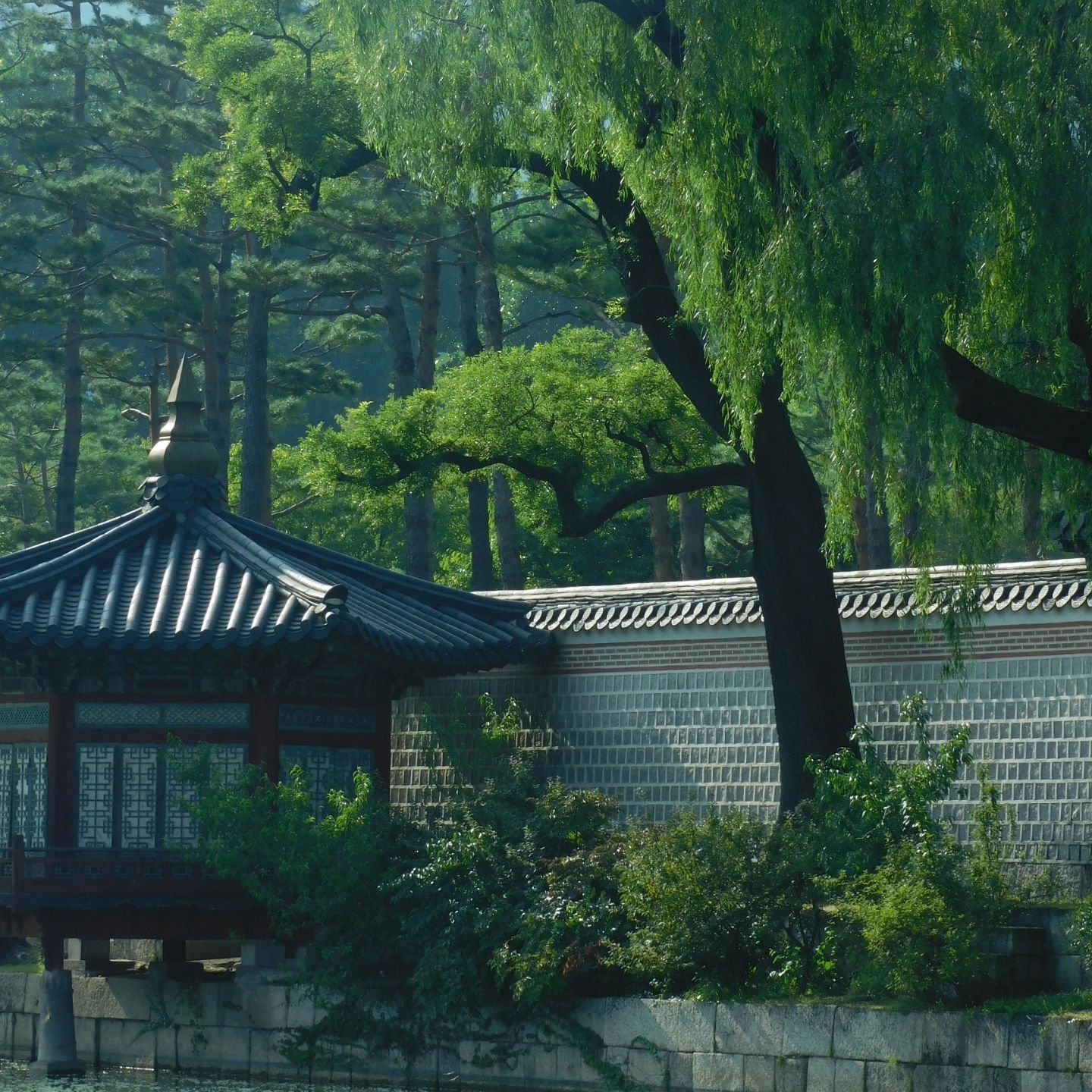
![Jeju-do (제주도) is one of those places that reminds you of how stunning the world is
[7.12.2024 부터 7.14.2024 까지]](https://images.squarespace-cdn.com/content/v1/5ea1f794501b7153b29e7cd7/1721033601522-554E76HR01JUHDWZBJ1I/image-asset.jpeg)