The Many Faces of Ito (2017)
Review of The Many Faces of Ito / 伊藤くん A to E
If you’re new here, and stumbled upon this blog through the mythical powers of the Internet, welcome! I know a lot of visitors to my website are people who randomly come upon this website through search engines like Google, but I also do have a lot of visitors who come back. Regardless: my name is Ashley, and I started this blog in order to keep track of everything I’m coming across in the world.
East Asia has always been a focus of mine, whether it’s professional, academic, or personal. I started taking Mandarin Chinese when I was in middle school, then received a prestigious scholarship to study in Korea when I was seventeen, went back to Korea on another scholarship at 23, and did my master’s thesis on colonial Korean women’s literature.
So when I say I’m in deep, I mean it. Nowadays I mainly study migration into the region with migrant workers, but as I run this blog there’s an emphasis on East Asia cinema, television, and books. And while I tend to read and watch a lot of Japanese books and movies respectively, there’s always been a bit of a hole when it comes to Japanese shows.
I similarly struggled with Chinese shows for a while, sticking to mainly Korean ones out of comfort, but recently, in the past year, I’ve been forcing myself to watch more Japanese and Chinese shows in general. Japanese shows have come to surprise me with their brevity, but also how efficient they are in their storytelling. The brevity and storytelling skills go hand in hand at the end of the day!
I tend to go to Viki for the shorter dramas, but lately Netflix has been really upping their Japanese drama game. I keep track with the Japanese drama subreddit when new things are added, and when my schedule frees up I try to watch them. Today’s post is a bit of an older show though, one that’s been on my list for a while: The Many Faces of Ito.
It took me about a week to watch it, but here’s my review! I don’t want to ramble too much.
A thirty-something-year-old screenwriter uses other women in love and struggling to gather their stories for her next screenplay.
Our main character in this drama is Yazaki Rio, although she really isn’t the focus of the series. She’s a screenwriter who’s down on her luck. Once, she wrote a handful of popular shows and whatnot, but these days she’s falling more into obscurity because she hasn’t put anything out there that’s generated any success or buzz.
As she gives a lecture to a group of people, she hands out a questionnaire with some tailored questions. When she gets them back, she notices that four different women in the lecture all answered it discussing a many named Ito, which implies to Rio that they might have actually been connected but not knowing it.
She then decides to create a new script and television series around these four women and their relationship with that one man named Ito, but in order to do that, she has to get closer to the women in question. She then sets up a scenario where she meets with the four women and pretends to give them romantic advice.
Each of the four women, who are labeled with different letters of the alphabet (hence the Japanese title including the English alphabet letters), has their own set of complex issues. The episodes revolve around each of the women and their stories, as well as how Rio engages with them.
We all see how the men they’re talking to and having sex with are also kind of awful, which makes this difficult to watch at times. Sometimes Asian dramas tend to be like this, and even real life, but that doesn’t make it any easier to watch at times. I personally find it very difficult seeing women in hard positions and unable to see a way beyond it.
That said, the entire premise of this show is really sad considering Rio is just using them for content. I think there’s something to be discussed about that, especially when we digger deeper into these women’s lives and see them in a more intimate way than Rio is engaging with them.
At the end this kind of makes the ending satisfying, but also not really at the same time. More on my thoughts in the next section.
Overall Thoughts
I think this drama starts off fairly strong, even with the main character’s nefarious intentions, and that I was interested most in learning about the women she was farming content with. I was also pretty interested with Rio and could understand where she was coming from, but as a writer myself I disagreed with her methods and the premise that the show revolves around.
I mean as writers I think we do farm the people around us to an extent, but it feels a bit exploitative to dig deeper without these women actively knowing you’re trying to create a public body work around them. It’s all coming down to consent at the end of the day, and this show felt like it wasn’t getting that from these women in a way that I agreed with.
Regardless, I did watch the show all the way through. It did keep my attention with these stories, and I thought each of the characters carried their weight in terms of story and characterization. I have no qualms about that!
I say watch this one if it interests you, but if not, maybe skip it or put it on the back burner for when you have nothing else to watch. It is a quick series though—many Japanese series tend to be quick and around eight or twelve episodes.
Follow me below on Instagram, Letterboxd, and Goodreads for more.
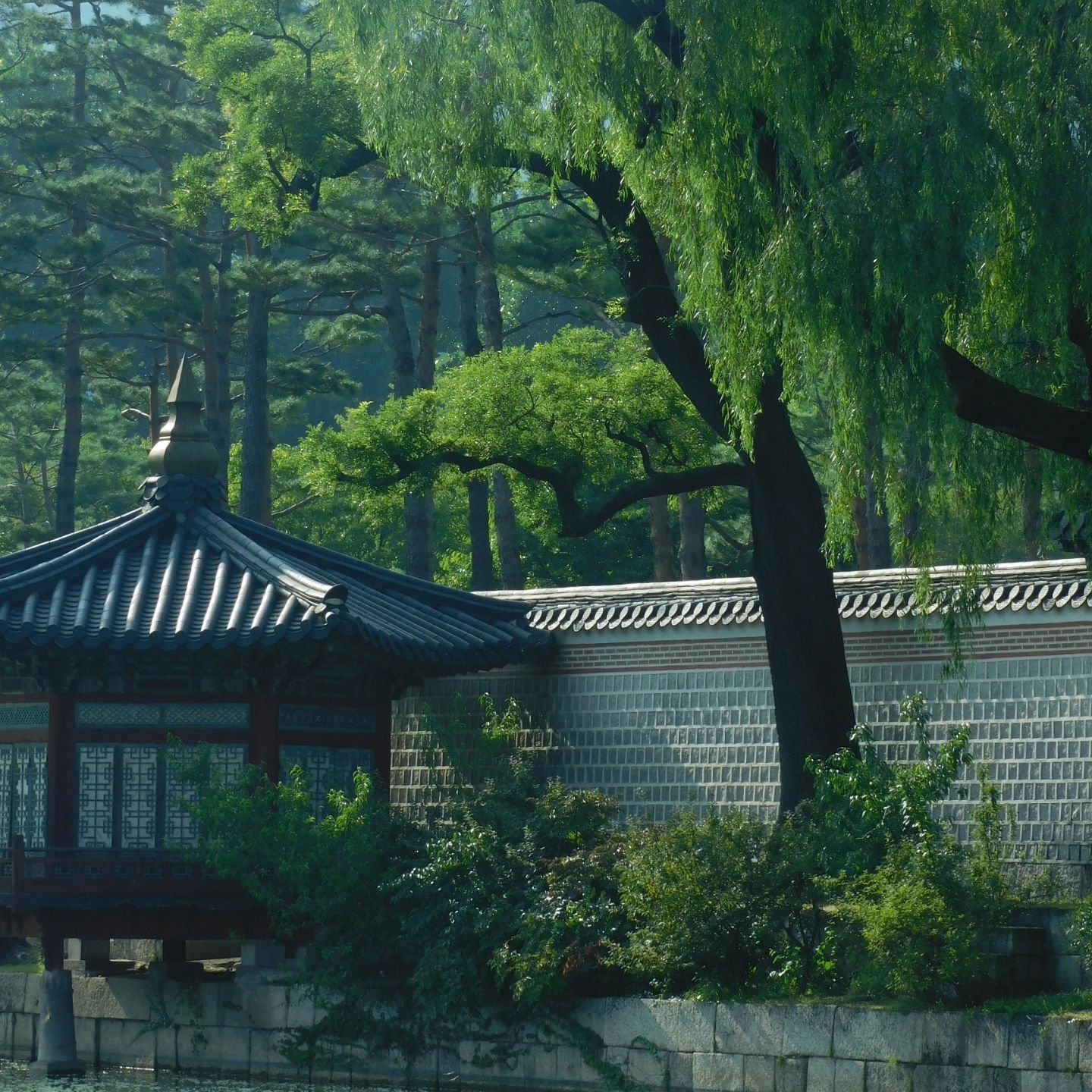
![Jeju-do (제주도) is one of those places that reminds you of how stunning the world is
[7.12.2024 부터 7.14.2024 까지]](https://images.squarespace-cdn.com/content/v1/5ea1f794501b7153b29e7cd7/1721033601522-554E76HR01JUHDWZBJ1I/image-asset.jpeg)