Who Ate Up All the Shinga? by Park Wan-suh
Review of Who Ate Up All the Shinga? by Park Wan-suh
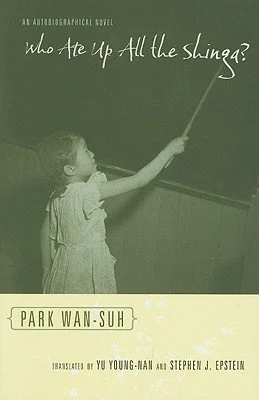
Who Ate Up All the Shinga? by Park Wan-suh, translated by Yu Young-han and Stephen J. Epstein (2009). Published by Columbia University Press.
If you’re new here, and stumbled upon this blog through the mythical powers of the Internet, welcome! I know a lot of visitors to my website are people who randomly come upon this website through search engines like Google, but I also do have a lot of visitors who come back. Regardless: my name is Ashley, and I started this blog in order to keep track of everything I’m coming across in the world.
This blog post is interesting to me because lately, I’ve been struggling to get in my reading time. I was working for the longest time as a freelancer and contractor, but recently pivoted to an 8-5 job where I’m in an office. It’s not hybrid, so I’m always at home trying to put the puzzle pieces together of how I’ll get my reading done. I also continue working on this blog when I’m not at work, so the Instagram reels I’m fed about a 5-9 feel too real right now.
Anyway: I’m trying to find more time to read. You can find me all over the Internet trying to find the best tips to sneak in some reading time, putting Libby on my car so I can listen to an audiobook while I drive, and pouring through listicles on how to become a better reader. You’d think getting a master’s degree with a literature and history emphasis would teach me that, but it never prepared me for the real world.
One of the books I have read recently (at the time of typing this) is Who Ate Up All the Shinga?, which is by an author I’ve been meaning to read: Park Wan-suh. I did my master’s thesis on colonial and postcolonial Korean women’s literature and their methods of resistance against the patriarchy, and she was one of the authors I was considering including with the work I was doing.
She didn’t make the final list of six, but I knew her work and wanted to read it. So I eventually got around reading it during the fall of 2025, which was way later than expected, but hey, at least I got to it?
Let’s get into the review! I don’t want to ramble too much in the intro.
The story of one girl’s move from rural modern North Korea to Seoul during Japanese colonialism.
Before we get into the meat of what this book is about, I think it’s important to note that it is a work of autobiographic fiction. While it is based on Park’s life and experiences, and she serves as the narrator throughout the course of the novel, but I was reading about how in the original Korean book there is a foreword where she describes some scenarios and events as being fictionalized. To what extent I’m not sure, but the core of the book is her own life.
Park Wan-suh was born in Kaeseong, which is modern day North Korea, and the book covers the first portion of her life. Her grandfather was a yangban, which were the aristocratic and educated elite during Joseon, which becomes a source of pride for him despite living in rural Kaeseong. Park is raised in a small village during Japanese colonization, which shapes her early education.
For those who might not be well-versed in the subject (which I would be surprised by if you’re reading this novel, but if you are: I’m proud of you for venturing further into this area!), Japanese colonization in Korea was a form of settler colonialism and cultural genocide, especially considering how they were openly trying to wipe out Korean culture and language under a racial hierarchy that believed Japanese culture to be supreme.
That’s the education Park was receiving, especially after she was sent to Seoul by her family in order to get an education and more opportunities outside of the village. It’s where the title comes from, as she cannot find any wild shinga to eat—she thinks the other kids and people ate it all, leaving nothing for her.
We see Park as she grows older and World War II begins, which is still during an early period of her life. This is the onset of many more hardships, as the rest of the novel tackles the subject of the Korean War. With her mother and brother coming under scrutiny for affiliation with the Northern side, North Korea itself is quickly approaching Seoul.
The novel ends before we get into the thick of the war, and it ends quite suddenly I will say. It comes to a conclusion on how Park became a writer (or was forced to in a way), and we don’t know how this story ends for her mother and brother. You can find out online what happened to them, or as much as we know, but I saw this as a reflection for the sorrow, or han, many Koreans today carry.
Overall Thoughts
I really liked this novel, although I wanted to see it entirely as a memoir. But I can also see how Park might not fully remember certain moments and sections of this period of her life, especially considering the sheer amount of trauma that comes from colonization and then the Korean War.
I can also see why this book ends the way it does, but I left it wanting more. I enjoyed the prose and the way Park sets up her storytelling—even in translation it comes across as very smooth and poetic at times, even when it’s being fairly matter-of-fact. Some books I struggle to get through because of the writing and its style. This was not one of them.
Overall I would say I left this book wanting to learn more about Park and read her other work. I would’ve been really happy just reading about her entire life in a biography too, and that’s definitely not available in English. I want a copy of Na Hye-seok’s biography in Korean, too, but it came out in the seventies and might be harder to track down.
All of this is to say: if you’re interested in the period, memoirs or novels about these kinds of experiences, or want to read about a female writer’s coming-of-age, definitely find a copy of this book! I highly recommend picking it up at least once and giving it a chance.
Follow me below on Instagram, Goodreads, and Letterboxd for more.
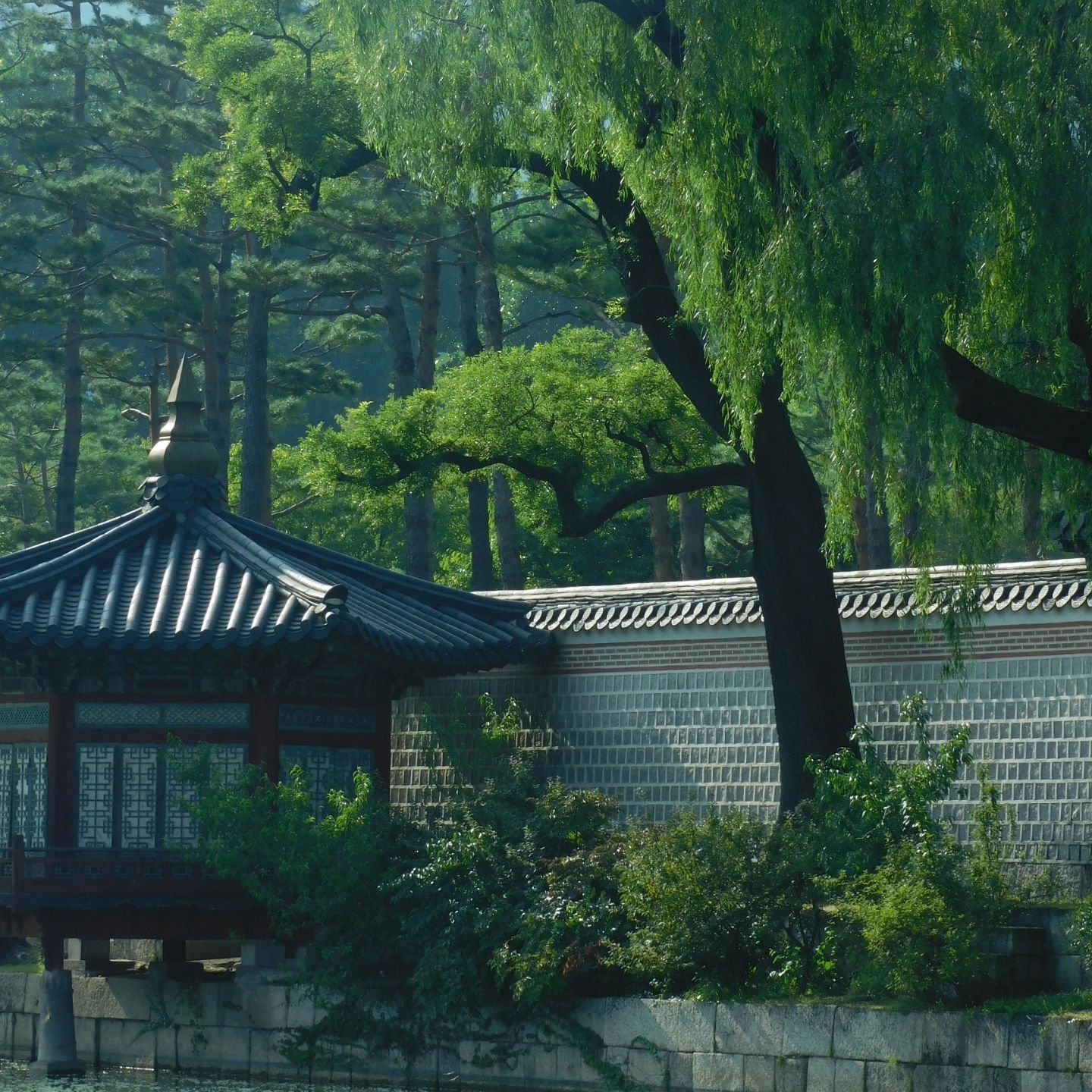
![Jeju-do (제주도) is one of those places that reminds you of how stunning the world is
[7.12.2024 부터 7.14.2024 까지]](https://images.squarespace-cdn.com/content/v1/5ea1f794501b7153b29e7cd7/1721033601522-554E76HR01JUHDWZBJ1I/image-asset.jpeg)