A Flower Traveled in My Blood by Haley Cohen Gilliland
Review of A Flower Traveled in My Blood by Haley Cohen Gilliland
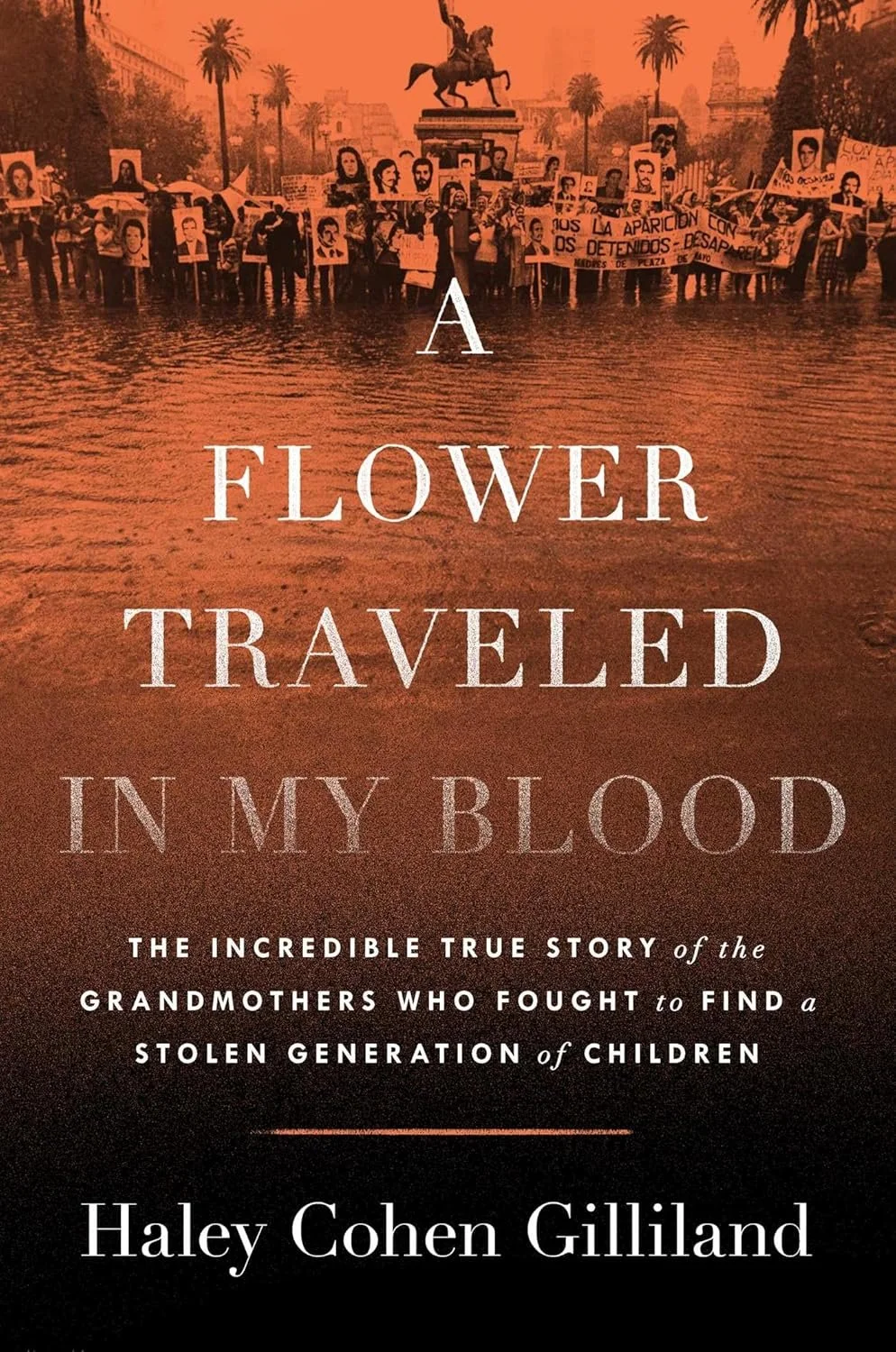
A Flower Traveled in My Blood by Haley Cohen Gilliland (2025). Published by Avid Reader Press / Simon & Schuster.
If you’re new here, and stumbled upon this blog through the mythical powers of the Internet, welcome! I know a lot of visitors to my website are people who randomly come upon this website through search engines like Google, but I also do have a lot of visitors who come back. Regardless: my name is Ashley, and I started this blog in order to keep track of everything I’m coming across in the world.
This blog post is interesting to me because lately, I’ve been struggling to get in my reading time. I was working for the longest time as a freelancer and contractor, but recently pivoted to an 8-5 job where I’m in an office. It’s not hybrid, so I’m always at home trying to put the puzzle pieces together of how I’ll get my reading done. I also continue working on this blog when I’m not at work, so the Instagram reels I’m fed about a 5-9 feel too real right now.
Anyways, I am trying to find that time to read here and there. Somehow I’m still on track for my Goodreads goal, even though I’ve been slowly giving up on the notion of reading goals in life. I think they can be a little too much pressure and takes the fun off of reading at the end of the day, and I want to read because I want to stay in touch with literature while also pursuing my side career as a writer.
Today’s blog post comes from a book that I found out about relatively close to its publication date. I was looking through my usual publications for upcoming books, and saw that this was coming out relatively recent at that time. The story it was telling really intrigued me, as I had not known anything about Argentina and its history, let alone mothers who protested their kids’ disappearances.
So I ended up checking out the book at the library, and after a brief period of waiting for my hold to come, I was able to get the book. This can be a little bit of a dense book, especially considering how it deals with violence in Argentina at that time, so I would recommend taking your time—which is what I didn’t do. I read it all the way through in two sittings because I had to return this to the library in three weeks.
Let’s get into my review! I don’t want to keep going on and on in the introduction.
The story of the Abuelas de Plaza de Mayo, who fought for answers about their missing children in 1970s Argentina.
This is a book that focuses on a specific period of Argentine history. We begin with Rosa Roisinblit, who was of Jewish descent and moved to Buenos Aires with her husband, who, at the time of the events described, was deceased. They had one daughter, Patricia, who was a part of the leftwing movements in the country. But on March 24, 1976, the military took over Argentina and began a series of political violence.
The new junta looked at eliminating anyone who was a problem, leading to even more violence across Latin America. It was supported by the United States at the time, but this rightwing government targeted leftists and forcibly made them disappear. We learn about what happened specifically later on in the book, but Patricia disappeared while pregnant.
She was one of many pregnant women who disappeared during this time, especially for those who were politically active. Her husband was taken too, and neither were ever seen again. As we learn later, they were forced to give birth in captivity and then killed like so many other radicals at the time, leaving their kids to be adopted by someone else and their families to grieve their missing children and grandchildren.
But for Rosa, she never gave up on her daughter. When official avenues ran dry, she learned about the Abuelas de Plaza de Mayo, which is the focus of the rest of the book. We see how other grandmothers were frustrated about whether their children and grandchildren were alive or not, leading them to protest specifically at Plaza de Mayo.
While no one took these grandmothers seriously at first, they continued showing up to the plaza. Eventually, they grew enough influence that they were being interviewed by foreign outlets (who were then, in turn, threatened by the police), and then the government saw them as a threat. More on that in the book, but it was very sad what happened to some of these grandmothers and their supporters because of what they wanted from the government, which was basic accountability and information.
I was really interested in how the author specifically used Rosa and other women to focus on how this was a broader issue in the Jewish community in Argentina. I knew nothing about the Jewish in the Argentina specifically, but she documents how they were one of the groups most affected by the government crackdowns, leading to more Jews being arrested and killed out of any other group.
That was really fascinating to learn about—all of this was incredibly fascinating, as I had no idea about this before picking the book up.
Overall Thoughts
I thought this was an incredibly researched book and eye opening in so many different ways. It’s fairly accessible writing and storytelling for those who have no idea of the subject matter. Cohen Gilliland does a great job of setting up the scene of Argentina during this time, as well as the broader implications of imperialism and influence over Latin America as a whole.
We focus on core women in the group, including one of the founders who was murdered for her involvement in the fight for justice, and many of them still alive are fighting today for answers and justice. I wanted to keep reading this book all the way through in one sitting, but I was too tired to continue on the first night.
I would highly recommend this book for anyone interested in this history or subject in general. It was an in-depth look at this specific movement, as well as Jewish communities and the role of leftists in the region at that time. I had no idea about the brutality of the junta and the military, but it was unsurprising that the government had this reaction against anyone they dubbed a dissident.
Pick this up if you’re interested though!
Follow me below on Instagram, Goodreads, and Letterboxd for more.

![Jeju-do (제주도) is one of those places that reminds you of how stunning the world is
[7.12.2024 부터 7.14.2024 까지]](https://images.squarespace-cdn.com/content/v1/5ea1f794501b7153b29e7cd7/1721033601522-554E76HR01JUHDWZBJ1I/image-asset.jpeg)