Review of Letter from Japan by Marie Kondo
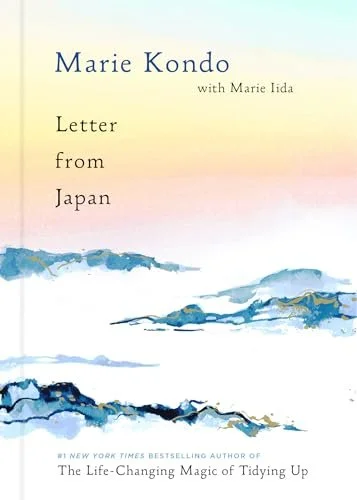
Letter from Japan by Marie Kondo (2025). Published by Crown.
If you’re new here, and stumbled upon this blog through the mythical powers of the Internet, welcome! I know a lot of visitors to my website are people who randomly come upon this website through search engines like Google, but I also do have a lot of visitors who come back. Regardless: my name is Ashley, and I started this blog in order to keep track of everything I’m coming across in the world.
This blog post is interesting to me because lately, I’ve been struggling to get in my reading time. I was working for the longest time as a freelancer and contractor, but recently pivoted to an 8-5 job where I’m in an office. It’s not hybrid, so I’m always at home trying to put the puzzle pieces together of how I’ll get my reading done. I also continue working on this blog when I’m not at work, so the Instagram reels I’m fed about a 5-9 feel too real right now.
Anyways, I am trying to find that time to read here and there. Somehow I’m still on track for my Goodreads goal, even though I’ve been slowly giving up on the notion of reading goals in life. I think they can be a little too much pressure and takes the fun off of reading at the end of the day, and I want to read because I want to stay in touch with literature while also pursuing my side career as a writer.
I would describe myself as within the Marie Kondo style of thinking and philosophy even before I knew who Marie Kondo was. I’ve spent most of my adult life pondering over Buddhism, philosophy, and what it means to live a fulfilling life, so when Marie Kondo exploded in the West, I was unsurprised that she appealed to a group of people who are literally exposed to capitalism every single day.
Granted, Japan and East Asia have their own problems with consumption and whatnot, but traditional Japanese thinking actually doesn’t prescribe to those same notions. It’s been fascinating to watch Kondo blow up over the years, but Letter from Japan specifically interested me lately because of its notions and reflections on travel.
So out of curiosity I put myself on the waitlist for the book at my library, then read all of it one sitting when it arrived. I think that it’s pretty feasible to read all of this in one go if you h ave a quiet Saturday or so.
Let’s get into the review!
Marie Kondo’s reflections on travel and traditional Japanese concepts throughout her life.
This is a book that’s sectioned off into concepts and items that are significant to Marie Kondo’s philosophy. This is a very intimate book in the sense that Marie Kondo is very much talking about her personal life throughout its pages, whether it’s about her travels to the United States or how she sees life in her home country of Japan.
While most people tend to know her as the cleaning lady, I think this gives insight into her family life in a way that was interesting, such as how exactly she became the person who she is today. She spends a lot of time in each chapter explaining Japanese concepts.
For example, the Japanese rituals concerning tea. I won’t go into detail about tea ceremonies, but I feel that Marie does a wonderful job explaining it and contextualizing it within her own life, and that’s something that comes up again and again throughout the course of the book.
As a reader familiar with a lot of these concepts, I didn’t find this book to be particularly groundbreaking, but what Kondo does with this information and how she injects her own personal experiences is what makes it work as a nonfiction book. I mean we are reading it for Kondo—I imagine that’s why 70% of the people picking this book up know about it.
Its essence really is a letter to Japan and what makes it so unique and beautiful as a nation when it comes to its traditions (among many other reasons of course)! From describing her childhood to how she is a mother of three children, I felt like I really got to know Kondo and the essence that goes into her work.
I could see how someone might really find this book to be disjointed throughout though. To me it came across as a series of somewhat related subjects/objects, which works in the grand scheme of things, but if you want something that’s a lot more unified, then this might not be the ideal book for you in the end.
The writing style itself is clean and accessible though. I believe this is a book in translation, and I thought the delicate balance between keeping the original Japanese versus the English was well done overall.
Overall Thoughts
I was impressed with this book overall. I think I came into it with really low expectations if we’re going to be honest, and while it’s not my favorite book in the world, nor one of my top reads recently, I did have a good time reading it.
I think maybe if I was someone who came into it with less knowledge of Japan I would like it a lot more—I wouldn’t really describe myself as invested in Marie Kondo as a person, which is why I enjoyed it but wouldn’t call it a favorite.
It’s not revolutionary, but it’s a solid book. I recommend it if you’re interested in the synopsis, the concepts she brings up, or Marie Kondo as a person beyond her tidying persona. I think you’d like the book if you come into it with one of those three angles, and it is quite the easy read.
Follow me below on Instagram, Goodreads, and Letterboxd for more.
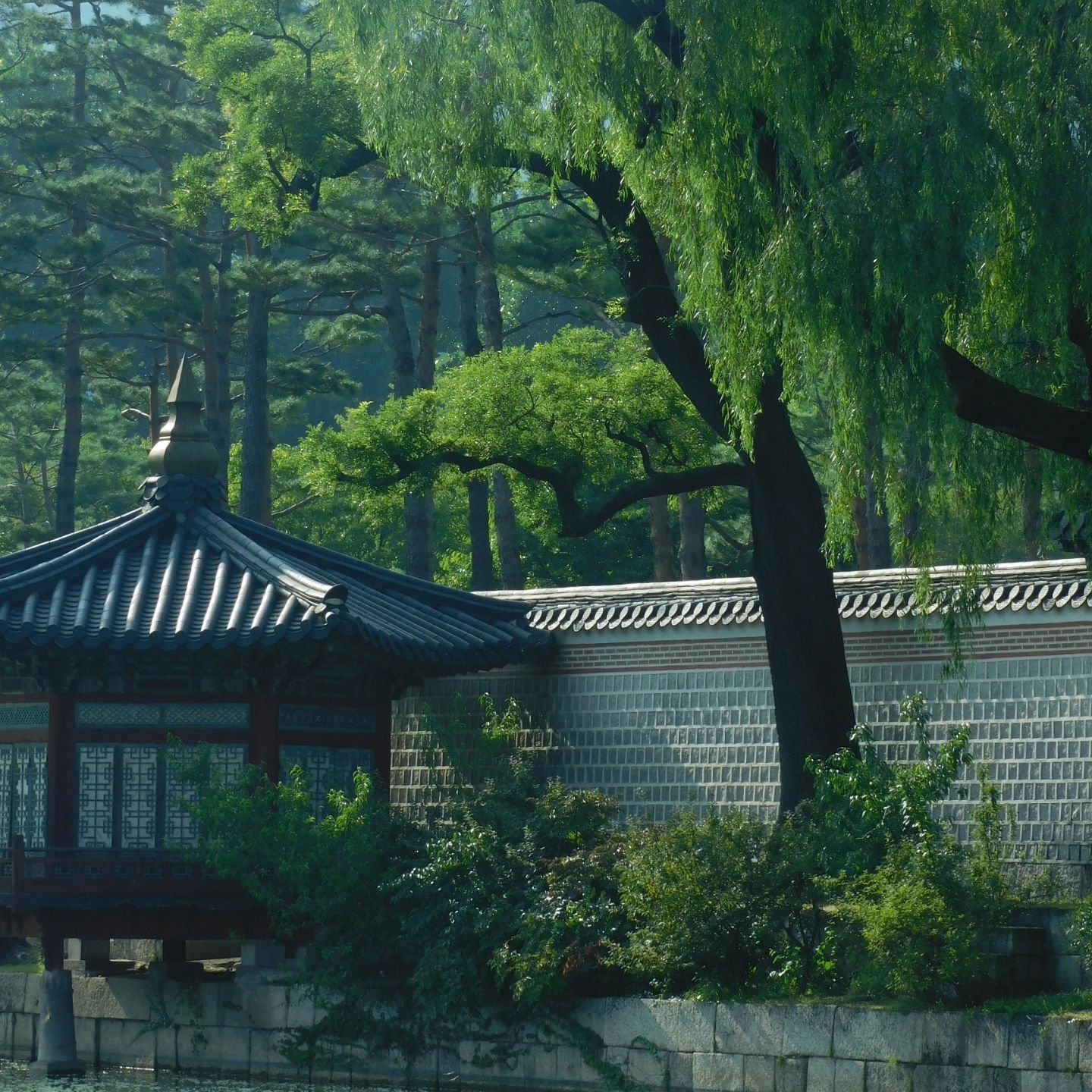
![Jeju-do (제주도) is one of those places that reminds you of how stunning the world is
[7.12.2024 부터 7.14.2024 까지]](https://images.squarespace-cdn.com/content/v1/5ea1f794501b7153b29e7cd7/1721033601522-554E76HR01JUHDWZBJ1I/image-asset.jpeg)