Capitalists Must Starve by Park Seolyeon
Review of Capitalists Must Starve by Park Seolyeon
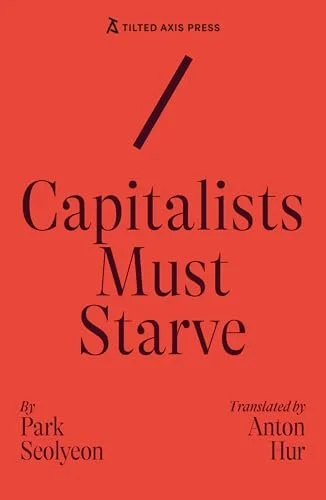
Capitalists Must Starve by Park Seolyeon, translated by Anton Hur (2025). Published by Tilted Axis Press.
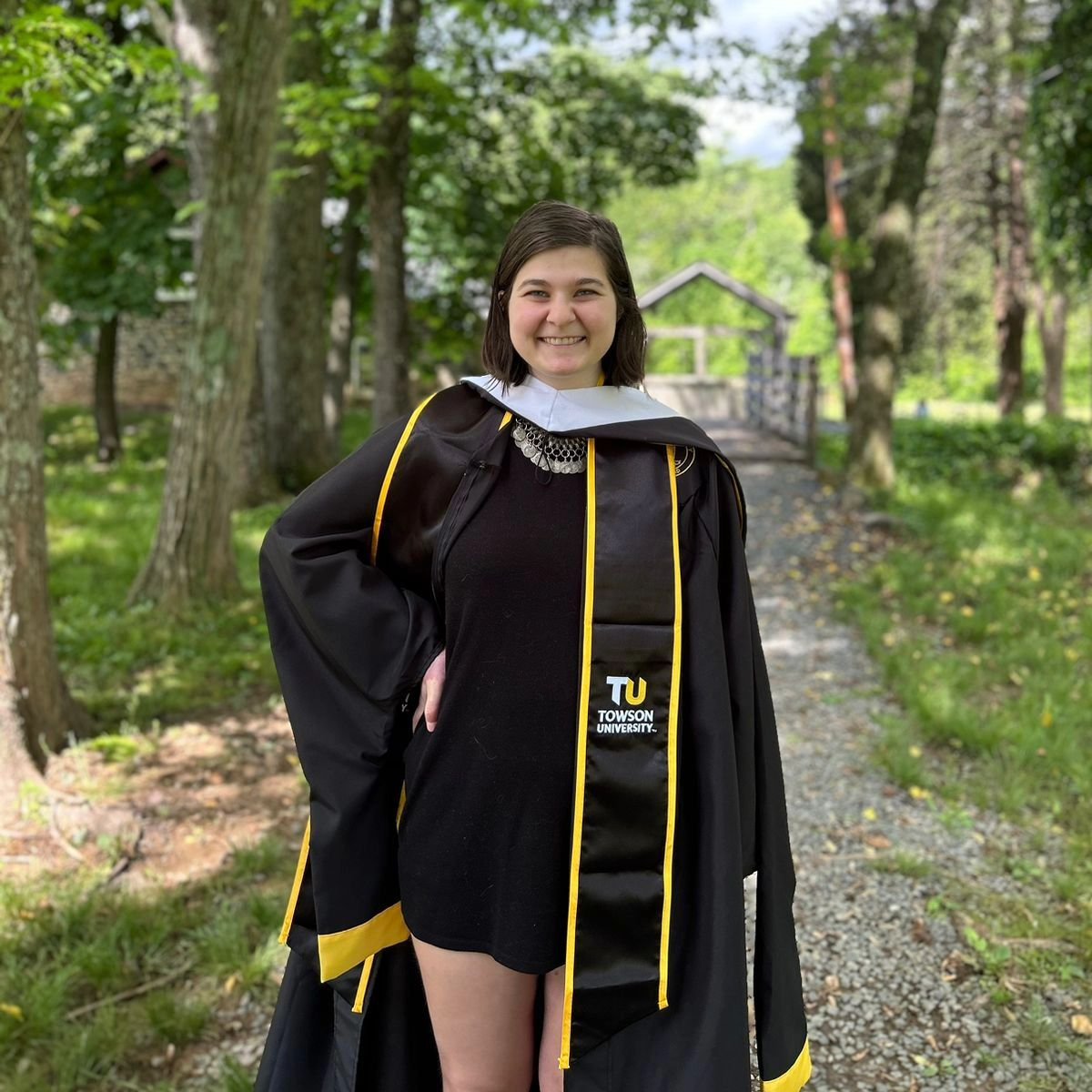
If you’re new here, and stumbled upon this blog through the mythical powers of the Internet, welcome! I know a lot of visitors to my website are people who randomly come upon this website through search engines like Google, but I also do have a lot of visitors who come back. Regardless: my name is Ashley, and I started this blog in order to keep track of everything I’m coming across in the world.
This blog post is interesting to me because lately, I’ve been struggling to get in my reading time. I was working for the longest time as a freelancer and contractor, but recently pivoted to an 8-5 job where I’m in an office. It’s not hybrid, so I’m always at home trying to put the puzzle pieces together of how I’ll get my reading done. I also continue working on this blog when I’m not at work, so the Instagram reels I’m fed about a 5-9 feel too real right now.
Anyways, I am trying to find that time to read here and there. Somehow I’m still on track for my Goodreads goal, even though I’ve been slowly giving up on the notion of reading goals in life. I think they can be a little too much pressure and takes the fun off of reading at the end of the day, and I want to read because I want to stay in touch with literature while also pursuing my side career as a writer.
I absolutely adore the work Tilted Axis Press does, and I wish I could get more of their books in the United States. When I saw their season schedule at the time included Capitalists Must Starve, I knew I wanted to get my hands on the book immediately. I actually read a lot about Korean factory girl literature during Japanese colonialism, as my master’s thesis was on colonial women writers in Korea and methods of resistance.
So one time, while I was in New York, I saw my favorite local bookstore chain (McNally Jackson) had a copy on their shelves and I took it immediately. I spent a little too much on books that trip, but every time I go to New York I always wander into the Rockefeller location and pick up more than I need.
Let’s get into the review! I don’t want this introduction to go on too long.
A working class woman in 1930s colonial Korea gets sucked into the resistance, then into factory work after the death of her husband.
This novel is based on the life and times of Kang Juryong, a real-life woman who lived in Korea during the early twenty-first century. She led a strike during at Pyongwon Rubber factory in Pyongyang, which is where she worked, after they insisted on cutting the wages for women workers at the plant. At first she began to protest by herself, but the crowd continued to grow, led to hunger strikes, and was high-profile at the time.
In the novel, we meet her as a young woman as she meets her husband. For a woman in colonial Korea, especially working class women, they had very few rights. Kang left behind her family to join her husband, and he happens to be enamored with the colonial resistance movement.
So she joins him on a quest to go to Manchuria. The first portion of the novel is about Kang and her husband’s work with the other Korean rebels at the time, which is quite the true background to study here. The resistance movement did largely operate out of places like Shanghai and Manchuria up until World War II and the Pacific Theatre, as Japan annexed these regions as a part of their ambitions to conquer all of Asia.
Things do end up going south at this point in the novel, after she has spent some time with the resistance. For the sake of avoiding spoilers, Kang does end up having to return home solo, which kickstarts us to the more quote-on-quote notable aspect of her life: when she once again leaves behind her family to become a factory worker in Pyongyang.
This is where the roots of her strike begin, as we see her life in the factory and how she engages with the other women she works with. I think there’s a very clear arc to me about how she learned about methodologies of resistance from her time with the other resistance fighters. There’s a dynamic of class going on not only from the colonial resistance, but from the factory workers as well.
There’s also a very clear exploration of gender throughout the course of this novel. Kang is pidgeonholed from the beginning because of the fact women are defined by their husbands in this period, and then later in the novel, she finds herself alone in a factory. She’s a working class woman already screwed over by different systems, now it’s really pressing down on her when facing deeper inequities.
Overall Thoughts
I found this novel to be really interesting, especially considering my academic and literary background. I had not known about Kang specifically before picking this book up, but now I want to read more primary and secondary literature on the factory girls during that time. I know a little about the literature, as I wrote before, but now I kind of want to dig deeper whenever I have the chance.
I also was impressed because I had previously read A Magical Girl Retires by Park, which also has to do with gender and other societal issues, but I wasn’t as into that novel. I thought that it tried to cram way too much into a short amount of time, and that there was more potential with it that was missed.
But this novel? It’s also a little too short at times, but that might be just Park’s style. Short novels that are ambitious. Some might land with readers. Others, not so much.
Go pick this one up if you’re interested. I found it worth my time!
Follow me below on Instagram, Goodreads, and Letterboxd for more.
![Jeju-do (제주도) is one of those places that reminds you of how stunning the world is
[7.12.2024 부터 7.14.2024 까지]](https://images.squarespace-cdn.com/content/v1/5ea1f794501b7153b29e7cd7/1721033601522-554E76HR01JUHDWZBJ1I/image-asset.jpeg)