Jesa (Off-Broadway, 2026)
Review of Jesa at the Public Theater Off-Broadway
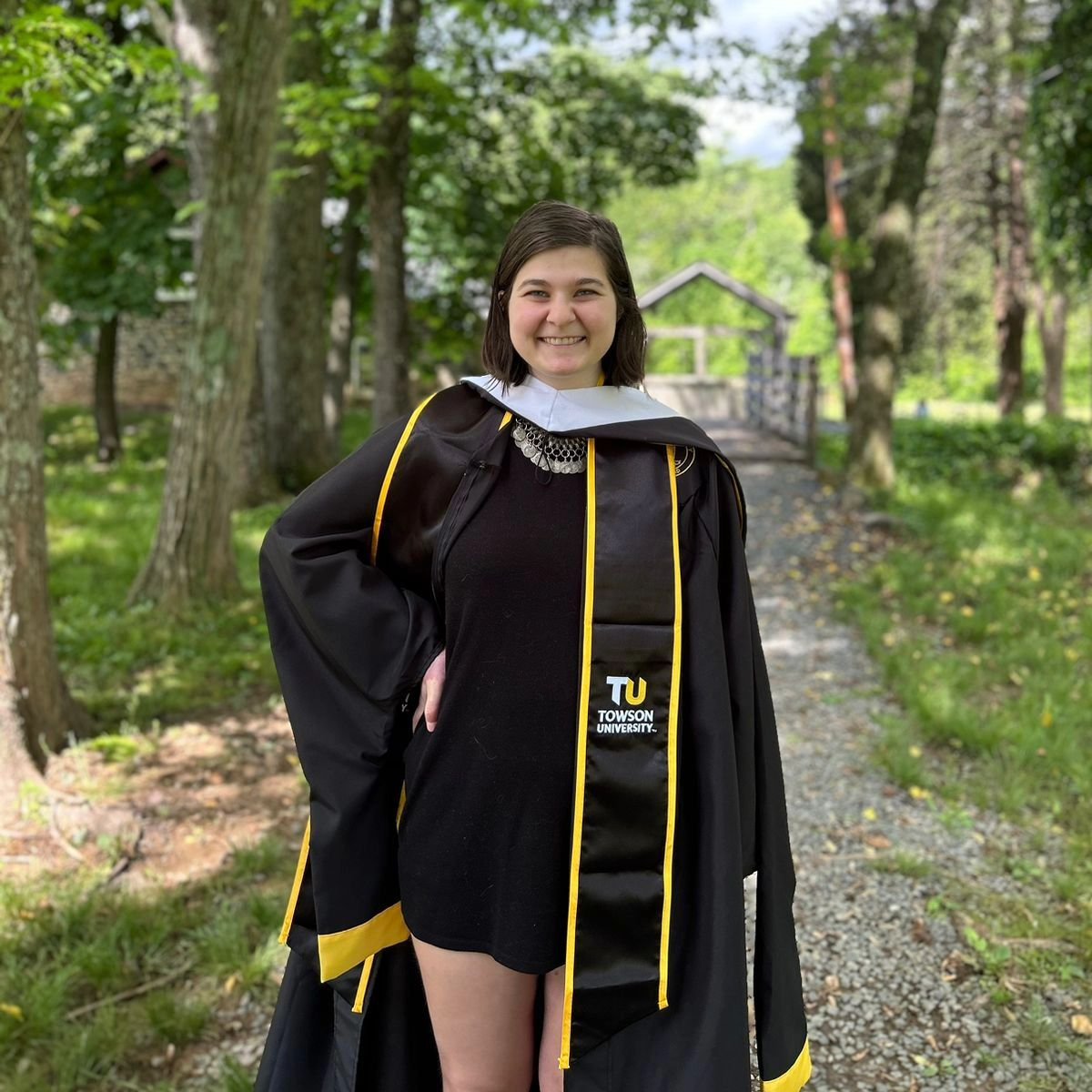
If you’re new here, and stumbled upon this blog through the mythical powers of the Internet, welcome! I know a lot of visitors to my website are people who randomly come upon this website through search engines like Google, but I also do have a lot of visitors who come back. Regardless: my name is Ashley, and I started this blog in order to keep track of everything I’m coming across in the world.
I used to live in New York City when I went to college, as I attended the Fashion Institute of Technology for my undergraduate degrees, but when I left the city because of the COVID-19 pandemic and never really returned, I knew that I was regretting my time in college not taking advantage of student deals for Broadway and Off-Broadway productions.
Granted, I had never been exposed to that kind of environment, or theatre at all, so when I started working in New York theatre and spent some time in that world, I jumped back into it. This blog has been a way to document my journey as a theatre lover and watcher, especially considering I don’t like to do short-form video. Written criticism has always been my thing more.
Today’s post stems from a trip I’ve just completed to New York (after the time of typing of this). It started when I purchased tickets to Jesa at the Public Theater, then when I secured a place to stay, I purchased more tickets to Two Strangers Carry a Cake Across New York and Fallen Angels.
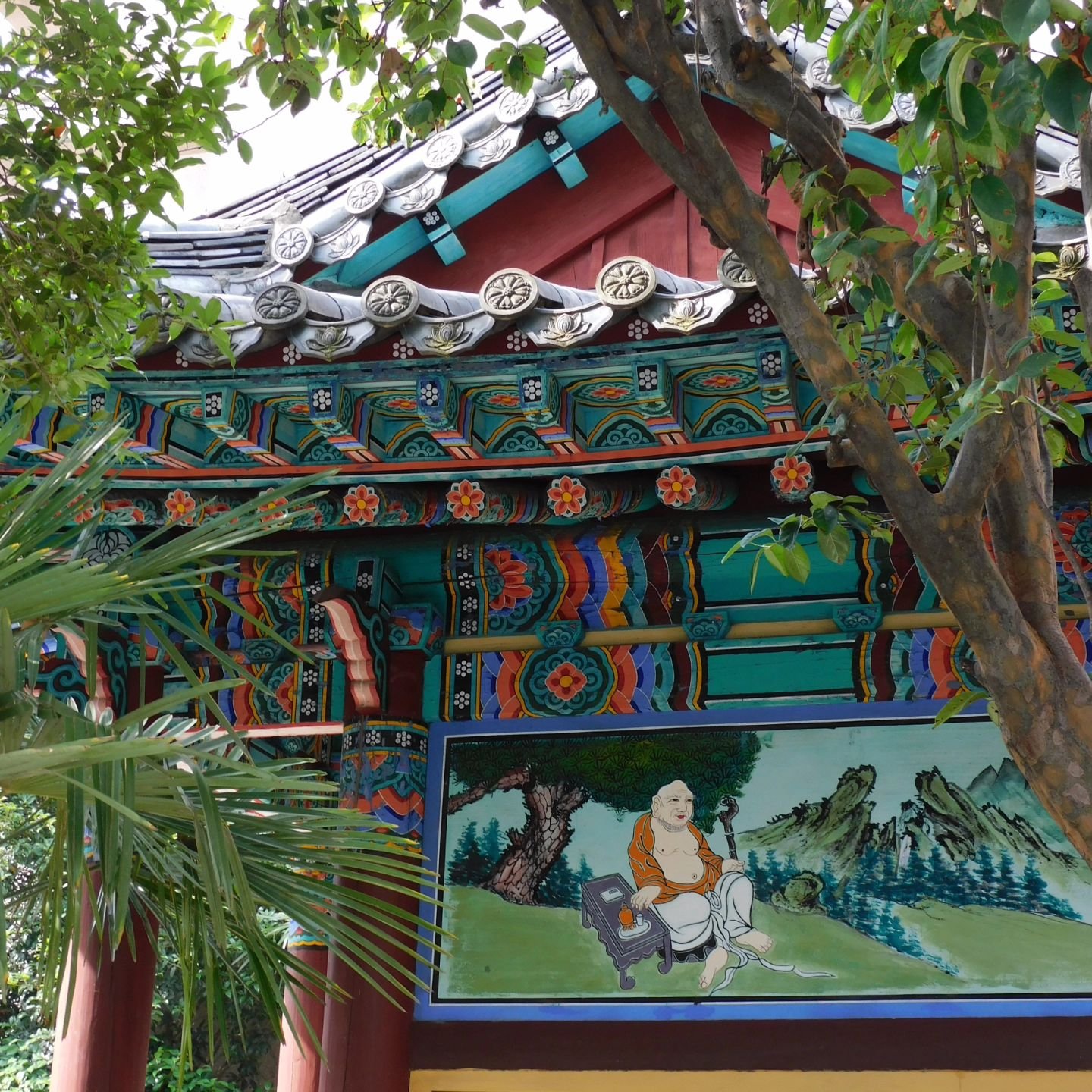
Jesa I was interested in the most. Korean and Korean diaspora stories really fascinate me, which is why I ended up doing my master’s degree thesis on colonial Korean women’s literature. I studied and lived in Korea twice, so when I saw this was on at the Public, I bought a ticket immediately.
And this was quite the interesting play! Let’s get into the review.
Four sisters come together for their parents’ Jesa in California, only for secrets and old tensions to emerge throughout the night.
From the beginning, when you walk into the Shiva Theater, there’s an eclectic mix of old school Korean music and American music being loudly played (the woman next to me actually complained about the loudness to the usher). I was seated in the middle of Row B and was shocked to see the stage was level with the front row—we were literally sitting in the living room with these women.
Jesa takes place over the course of one night. Four sisters—Tina, Brenda, Grace, and Elizabeth—gather for their parents’ jesa ceremony. It’s the first ceremony after their mother’s death, and for these Korean American sisters, the steps are a little murky.
The play opens in Grace’s perfect home in California. Grace is the sister who has it all together and is the model child to this very day, and she’s cooking the dishes. The first sister to arrive is Elizabeth, or Liz, who is the wealthy sibling and also has her life together.
Then comes Tina, the eldest sister and the rebel. She’s both a hothead and a loud mouth, but she’s been considered the sister who succeeded the least. Then comes Brenda, who hasn’t been to a Jesa in years, but she lives in New York City chasing after her dreams of being a director.
As they prepare the Jesa ceremony we quickly begin to see the cracks and fractures in their relationship, as well as the trauma that came from their parents. They increasingly quarrel throughout the course of the play, leading to not only some moments of revelation, but exposed truths they’ve been hiding from each other.
There’s a lot to unpack with this production and play, even with the cultural knowledge that goes into this. I could really see where the playwright was going with their artistic interpretation and direction—we get a sense where each sister was coming from.
However, for me, I found that this play was trying to do too much all at once, especially when we introduce supernatural elements in the midst of the Jesa, as well as each sisters’ story. Tina and Brenda were the most complete narrative arcs, which makes sense considering their dialogue with each other.
It’s Grace and Liz whose stories I felt were a bit mix and match/trying to cover more ground in a way that didn’t entirely feel productive. Which is fine considering the length, but Liz especially kind of just bursts out with her secret after a shocking scene. We get the sense something is up with her, but it did feel a little bit out of the blue.
Overall Thoughts
Everyone does an excellent job in this production. Everyone is truly a standout here and holding their weight, which was interesting. I kept staring at Hwang and wondering where I knew them from.
I feel that this production is flawed, but it’s getting there. I thought the concept of the Jesa bringing together these sisters is so Korean, and the details scattered throughout the play are also so incredibly Korean. I was in a mainly white appearing audience (but I could be very wrong!), so I’m not sure the references everyone understood, but I understood them quite well I’d say just from exposure to the culture.
I write that because I remember eavesdropping on other conversations coming in and people were kind of shrugging off the name of the play and calling it “that play that starts with a J.” Which is interesting to me because the concept of the Jesa was what drew me in—it’s not something I’ve seen discussed in a Western play, let alone literature, before.
I want to see more plays like this in general though. It’s very much a traumatized sister dynamic in so many ways, that’s uniquely Korean American, but this made me realize I want even more stories like this from other diasporas not often represented on the stage. This felt comfortable and home-y in that sense to me.
Go see this if you have the chance! I found it to be very worth it.
Follow me below on Instagram, Goodreads, and Letterboxd for more.
![Jeju-do (제주도) is one of those places that reminds you of how stunning the world is
[7.12.2024 부터 7.14.2024 까지]](https://images.squarespace-cdn.com/content/v1/5ea1f794501b7153b29e7cd7/1721033601522-554E76HR01JUHDWZBJ1I/image-asset.jpeg)