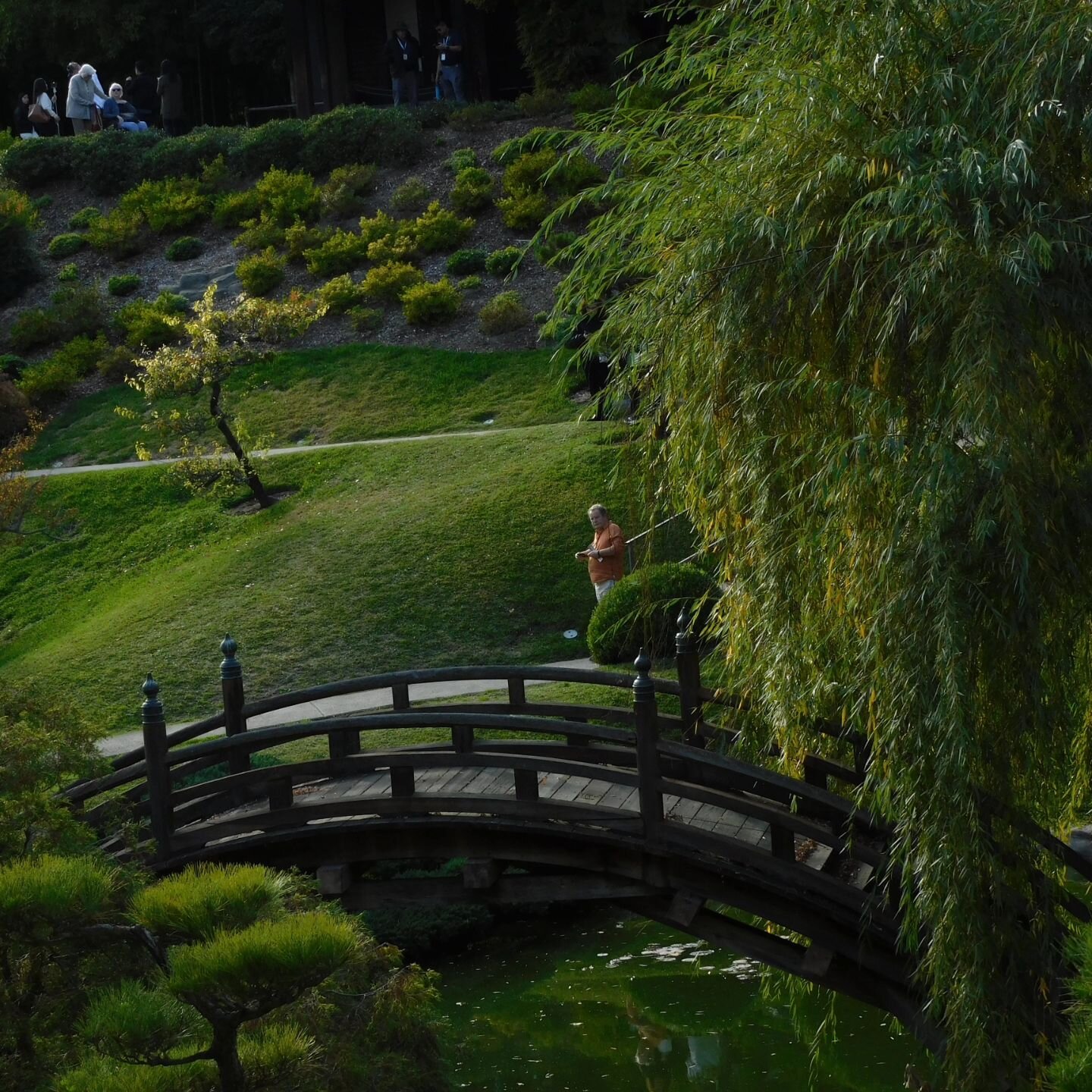
Little Forest (2018)
Review of Little Forest / 리틀 포레스트, directed by Yim Soon-rye
If you’re new here, and stumbled upon this blog through the mythical powers of the Internet, welcome! I know a lot of visitors to my website are people who randomly come upon this website through search engines like Google, but I also do have a lot of visitors who come back. Regardless: my name is Ashley, and I started this blog in order to keep track of everything I’m coming across in the world.
When it comes to blogging, or even watching movies and whatnot, I’ve been in such a weird headspace lately. I started a new job after quite a bit of a spell of not having any besides freelance and contract work, and now that I am actually working, I’m not watching as much as I used.
Part of it is fueled by my newfound YouTube addiction, but part of it just is that I can’t stay awake long enough to get everything I want done. I haven’t even been going to the movies lately to see them in-person because I simply am just tired after I get everything else done.
When I do end up watching movies, I try to go for things that I’m generally really excited about. It helps to have something that I really want to watch at the end of the day because if I don’t, then I’m less likely to actually sit down and watch the movie.
And because I am trying to be more budget-minded in 2026, one of my lifesavers has been Kanopy. My local library system actually provides up to twenty movies for free per month through the Kanopy system, and in the past I would actually hit that number—but that was before I started my new job and had more free time.
These days though I find it a challenge to finish a movie within a few days sometimes, so Kanopy’s limit gives me a deadline that I actually want to hit. It’s helpful because it forces me to watch a movie instead of letting my brain rot. And that’s how I actually ended up watching Little Forest, as it’s been on my list for a long time.
Onto the review!
Hye-won returns from the big city to her rural childhood home, learning how to live off of the land and reconnect with people in her life.
Our main character in this movie is Hye-won, who, at the start of the movie, is returning to her childhood home. It’s very much in the Korean countryside and a contrast to the high-pace city lifestyle she was living before, but when she comes back to her home her mother is no longer there. Her mother raised her alone, and did an excellent job from what we can see throughout the movie.
We do see flashbacks here and there to her childhood, which is how we see Hye-won is shaped into the person she is today. I think there’s a subtle realization that her mother and home, which she left behind for her dreams, is somewhere that she’s tied to perhaps for the rest of her life. That might have a negative connotation when you read it, but it’s really not.
When Hye-won returns though, we see the cycles of season and how she adapts to life in her town. She reconnects with her childhood friends, one of whom tried to make a life for herself in Seoul but came back, and another who stayed and doesn’t really know life beyond the village.
For fans of simple living, I think you’re genuinely going to love this movie. There is an overarching plot and themes scattered throughout the movie, tying it together in a storytelling sense, but I think there’s a lot to admire in what Hye-won is doing at her home. She’s cooking, growing her own food, and having quiet moments with her friends as needed.
All of this said, I describe this movie as a series of moments. Whether it’s a new fancy dish (that genuinely looks mouthwatering on the screen) or drying persimmons out in the front yard, there’s a lot to see from a visual and emotional sense throughout the film. I think that Hye-won’s journey is a really quiet one, just like her little forest, but it’s something that resonates in a lot of people all over the world.
I also found the commentary underlying throughout about young people coming back to their countryside homes to be interesting, especially from a Korean standpoint. Most young people are trying to move to cities like Seoul in order to make a career and life for themselves, as Seoul is the place to be. However, like many other big cities, it’s highly competitive and expensive, so we are seeing some young folks rejecting that lifestyle and going back to the countryside.
Even here in the United States we can kind of see that—so it’s a universal concept in some ways for “developed” countries.
Overall Thoughts
I enjoyed this movie a lot, although I think I can recognize that it definitely is not going to be for everyone. I mentioned the word subtle throughout this review and that really does encompass the themes and story of this movie. Some people might chalk it up to just vibes, but there is a lot of meat and substance underneath the pretty visuals and food seen in the movie.
That said, I think a lot of Kim Tae-ri’s work in general is great. She’s such a versatile actress, and this was film after The Handmaiden and her big break there. I can’t wait to see more movies from her in the future!
All of this is to say: watch this movie if you get the chance! I find depictions of countryside life in Korea to be so fascinating, and as someone who lived there, I think the countryside in general is the prettiest part of the country (along with the mountains). Definitely visit if you ever get the chance, too.
Follow me below on Instagram, Letterboxd, and Goodreads for more.
![Jeju-do (제주도) is one of those places that reminds you of how stunning the world is
[7.12.2024 부터 7.14.2024 까지]](https://images.squarespace-cdn.com/content/v1/5ea1f794501b7153b29e7cd7/1721033601522-554E76HR01JUHDWZBJ1I/image-asset.jpeg)