The History of Sound (2025)
Review of The History of Sound, directed by Oliver Hermanus
If you’re new here, and stumbled upon this blog through the mythical powers of the Internet, welcome! I know a lot of visitors to my website are people who randomly come upon this website through search engines like Google, but I also do have a lot of visitors who come back. Regardless: my name is Ashley, and I started this blog in order to keep track of everything I’m coming across in the world.
When it comes to blogging, or even watching movies and whatnot, I’ve been in such a weird headspace lately. I started a new job after quite a bit of a spell of not having any besides freelance and contract work, and now that I am actually working, I’m not watching as much as I used.
Part of it is fueled by my newfound YouTube addiction, but part of it just is that I can’t stay awake long enough to get everything I want done. I haven’t even been going to the movies lately to see them in-person because I simply am just tired after I get everything else done.
Call this a regular phase of corporate America and adulting, but I want to find a balance and go back more to the things I love. Sometimes life is simply trying to find a balance between the things that keep you alive, providing food, shelter, and warmth, and the things that you actually want to spend your life enjoying.
I was in the middle of a trip when I found out that MUBI had added access for US customers to Winter in Sokcho. It was right then and there that I acquired a MUBI subscription for the free trial, and I tried to load up on as many movies as possible before I lost the trial.
I’m not reviewing all of them on the blog for the sake of my sanity and workload, but I am outlining The History of Sound and my thoughts because I found this to be quite the fascinating movie. Let’s get into the review!
In the late 1910s, two young men find solace in each other and the music they both love.
This movie starts in 1917, when Lionel, a young man and student at the New England Conservatory of music, meets David White while in a pub. They’re both young gay men, but what draws them together initially is their passion for folk music. That same night they go to David’s apartment to have sex, kickstarting a romance between the two.
However, World War I is still going on and the United States is entering the war, much to the chagrin of many across the nation. David is drafted, leaving Lionel behind to serve. Lionel isn’t eligible for the draft because he is unable to see properly, and when the conservatory is closed due to the war, he heads home to Kentucky.
There, he no longer studies music like he did, and he helps out on the farm. His father dies and more responsibility is thrust onto him. Two years pass, and Lionel suddenly received a letter from David. He has returned home from the war and is going on a trip across the state, as he is now working at a college and wants to collect folk songs. He wants Lionel to come and join him on the journey, and Lionel agrees quickly.
They meet up and start traveling to collect these songs, but time passes quickly. They rekindle what they had before while on this trip, but when it ends, they go their separate ways. Lionel wants to head to Europe, while David returns to his job at the college in Maine. We see how Lionel enjoys himself while on his journey, writing letters to David, but about a year in he stops receiving responses.
In 1923, we see Lionel is now living in Rome. He’s left behind the US long-term to continue his life in Europe. He has a lover, Luca, and he tells him about how he actually isn’t happy with his life their. He sings in a local choir and works for Oxford, but he doesn’t really feel like this is where his heart is. Luca doesn’t take this well and they end things.
More time passes, and Lionel becomes the conductor for the choir. He starts becoming involved with Clarissa, a socialite and student, and she wants him to meet her family out in the countryside. It’s there that he starts reminiscing about David, as it reminds him of David, but Lionel continues to have a relationship with Clarissa. He returns home though and cuts things off when he learns his mother is ill and he must return to America.
He helps his mother out and settles things. When he’s left to his own devices, he decides to head out to Maine and find David. There, from a professor, he learns that David died not long after their trip, hence why the letters stopped coming in, and that there was no funding for the trip they had gone on. David just wanted to do it.
The professor suggests he should go to David’s widow, Belle, and Lionel seeks her out. She reveals she knew about Lionel and their relationship, but also that David killed himself due to the trauma of the war. She hands David’s letters over to Lionel, but tells him that she has no idea where their cylinders are.
Lionel goes to his grave and recalls all of the songs they studied together. More time passes. Lionel, now much older and an ethnomusicologist with books and some fame, receives a package in the mail. In it contains the cylinders with one extra—David made a recording the day of his death and thanked Lionel, then sings the song that Lionel sung to him the day they met.
Overall Thoughts
I’ve read a lot of literature, and watched a lot of movies, set during this period, but this was such an incredibly unique story. I was also interested originally in this because of the fact it had Mescal and O’Connor. Both are such fantastic actors, and seeing them in an indie movie is always a treat.
That said, this isn’t a movie for everyone. I think it should be obvious from the trailers and synopsis, but I found it to be quite a beautiful tale that was well done. Is it the best movie I’ve watched recently? I wouldn’t say that. The movie definitely has its weak spots, especially considering the actual events happening on-screen, but I think that it captures the core essence of the feelings and nostalgia it evokes.
I think you should watch this one if you’re interested and haven’t already. This is one of those movies that needs to be experienced on a screen, not read about on the Internet.
Follow me below on Instagram, Letterboxd, and Goodreads for more.
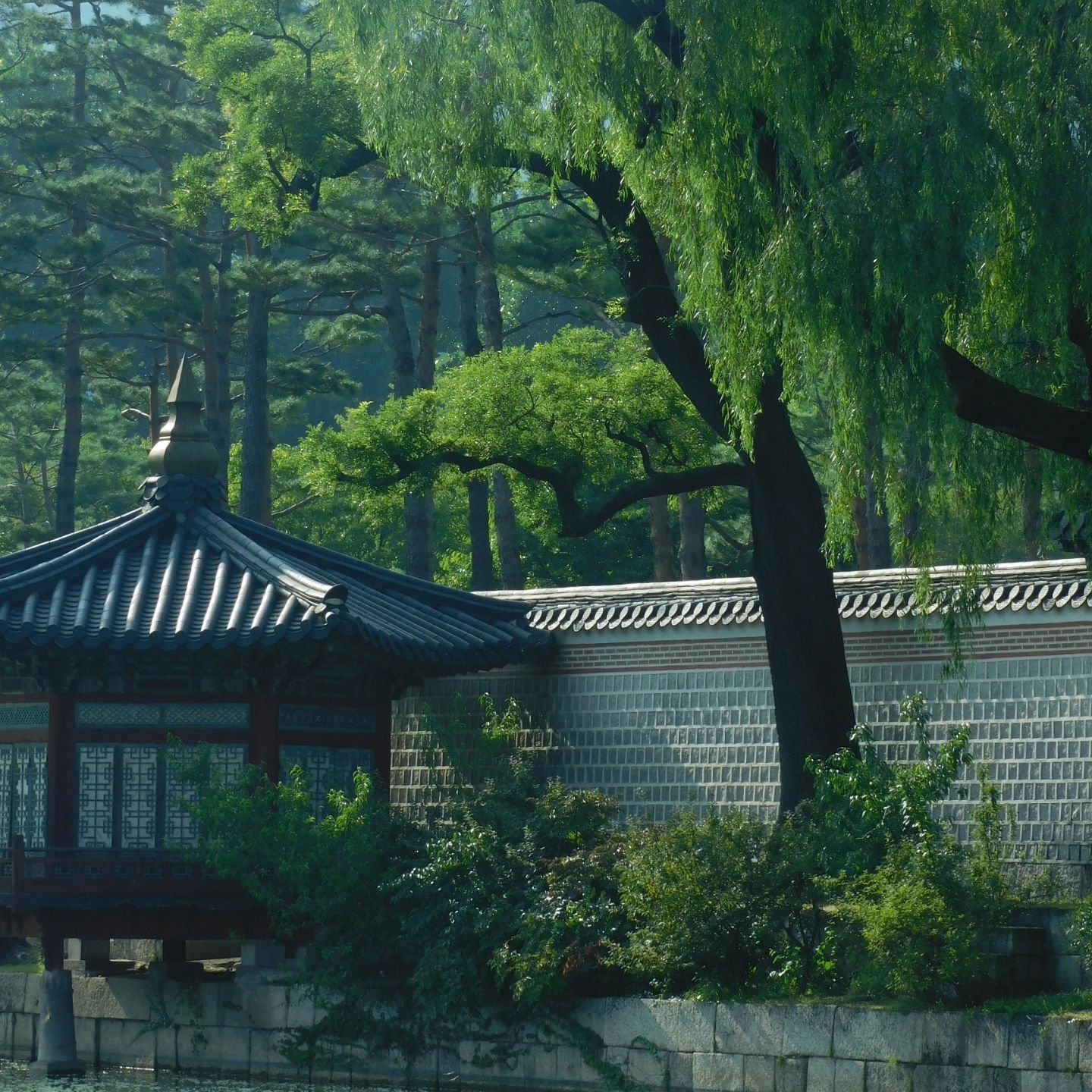
![Jeju-do (제주도) is one of those places that reminds you of how stunning the world is
[7.12.2024 부터 7.14.2024 까지]](https://images.squarespace-cdn.com/content/v1/5ea1f794501b7153b29e7cd7/1721033601522-554E76HR01JUHDWZBJ1I/image-asset.jpeg)