The Mermaid from Jeju by Sumi Hahn
Review of The Mermaid from Jeju by Sumi Hahn
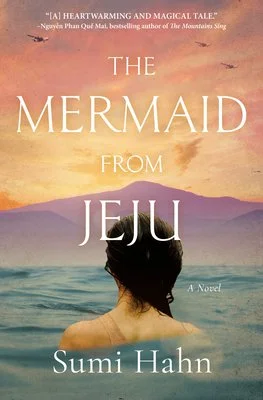
The Mermaid from Jeju by Sumi Hahn (2020). Published by Crooked Lane Books.
If you’re new here, and stumbled upon this blog through the mythical powers of the Internet, welcome! I know a lot of visitors to my website are people who randomly come upon this website through search engines like Google, but I also do have a lot of visitors who come back. Regardless: my name is Ashley, and I started this blog in order to keep track of everything I’m coming across in the world.
This blog post is interesting to me because lately, I’ve been struggling to get in my reading time. I was working for the longest time as a freelancer and contractor, but recently pivoted to an 8-5 job where I’m in an office. It’s not hybrid, so I’m always at home trying to put the puzzle pieces together of how I’ll get my reading done. I also continue working on this blog when I’m not at work, so the Instagram reels I’m fed about a 5-9 feel too real right now.
Anyways, I am trying to find that time to read here and there. Somehow I’m still on track for my Goodreads goal, even though I’ve been slowly giving up on the notion of reading goals in life. I think they can be a little too much pressure and takes the fun off of reading at the end of the day, and I want to read because I want to stay in touch with literature while also pursuing my side career as a writer.
Back in 2024 I studied abroad in Busan on a prestigious government scholarship (thanks to the State Department for investing in my language skills!), and when I was there I took a weekend trip to Jeju with some of my friends/cohort members. When we were there we went to a famous waterfall (Jeongbang), but in a park next to it there was a plaque saying this is where civilians were mass killed back in 1949, which kickstarted a whole academic adventure for me about learning more on what happened on Jeju-do.
Because of that, when I stumble across a book set on the island during that time, I want to read it. I’ve read a handful of contemporary diaspora authors writing about the Jeju massacres and that time period through a fictional lens, and when I saw The Mermaid from Jeju at my local library, I knew I wanted to give this book a shot too. So I did!
Let’s get into the review—I know this introduction is already a little long, and I don’t want to bore you.
On Jeju Island in the late 1940s, a girl has her coming of age as the island explodes into surveillance and violence.
The beginning of this novel is at the end of World War II, and Korea is at a turning point. With the country divided into two ruling zones and tensions about what the pennisula should look like brewing, Jeju Island, or Jeju-do, is going to be one of the trigger points for the beginning of the Korean War.
But before then, Goh Junja is having her coming of age story. The daughter of a renowned haenyeo, or deep sea diver, in the village, she’s next in line for someone who can lead the haenyeo towards successful harvests. It’s when Junja begs her mother to go to Mt. Halla, to trade sea goods for pork, that things begin to change.
It’s on the mountain she discovers a different way of living, as she had never been up there before, but she also falls in love with a boy there: Yang Suwol. He helped save her on her journey to the mountain, kickstarting a love story that could end up in beautiful joy or tragedy. We’ll find out which one later.
When Junja returns home, though, it’s because her mother lays dying. Bruised and bloodied on the floor of their home, the other haenyeo watch with her as she takes her last breaths. While the women and Junja’s grandmother tells her it was because of a dive gone wrong, we learn later it was because of the mainland police who are patrolling the island.
Unable to take care of her siblings, Junja and her grandmother watch as they’re taken to Busan with her father. She may never see them again, but she needs to keep diving and living in order to survive in a more volatile Jeju. As she prepares to marry her love, the political violence on the island is going to reach a boiling point, and Junja might learn how to survive in a different way.
This is a novel largely about grief, survival, and the schemes that people play in order to keep going. If you can’t handle descriptions of widespread violence against a group of people, you probably shouldn’t be reading novels about Jeju during this period. Going to the island itself made me realize how awful what they did to entire villages was, and the more you read these kinds of books the more it comes alive.
I thought this book in particular was restrained on the violence aspect, but there are some scenes I would describe as graphic or harrowing for some readers. It also offered a different perspective, even though Junja herself is from the coast. I haven’t read any novels depicting the people from the mountains and what they went through. Hallasan was a place where Jeju residents were told they could no longer go, and if they stayed, entire villages would be massacred on the spot.
Overall Thoughts
I enjoyed reading this novel, and as I mentioned in the previous paragraph, I really appreciated briefly showing this other perspective. I imagine the average Western reader hasn’t been reading a ton of novels on this subject, but I honestly find this book to be one of the more accessible novels on the subject.
That said—I have read a lot of novels in this area at this point (too much, if we’re going to be honest), and it’s not one of my favorites. I think there are some other novels that just struck me more, even though I appreciated Junja and her story. I also find it very curious in general that for Korean diaspora writers working in this subject that they always are women and feature women protagonists, which explains the emphasis on the haenyeo.
What I didn’t care for in this novel though was the pivot between past and present. I will say the last section of the book had me scratching my head and wondering why it was included.
Anyway, I would recommend this novel despite that. It’s a good starter novel for the subject area and has pretty good writing throughout. I can see people either loving this novel or being ambivalent, but more towards the loving because of how it depicts this history.
Follow me below on Instagram, Goodreads, and Letterboxd for more.
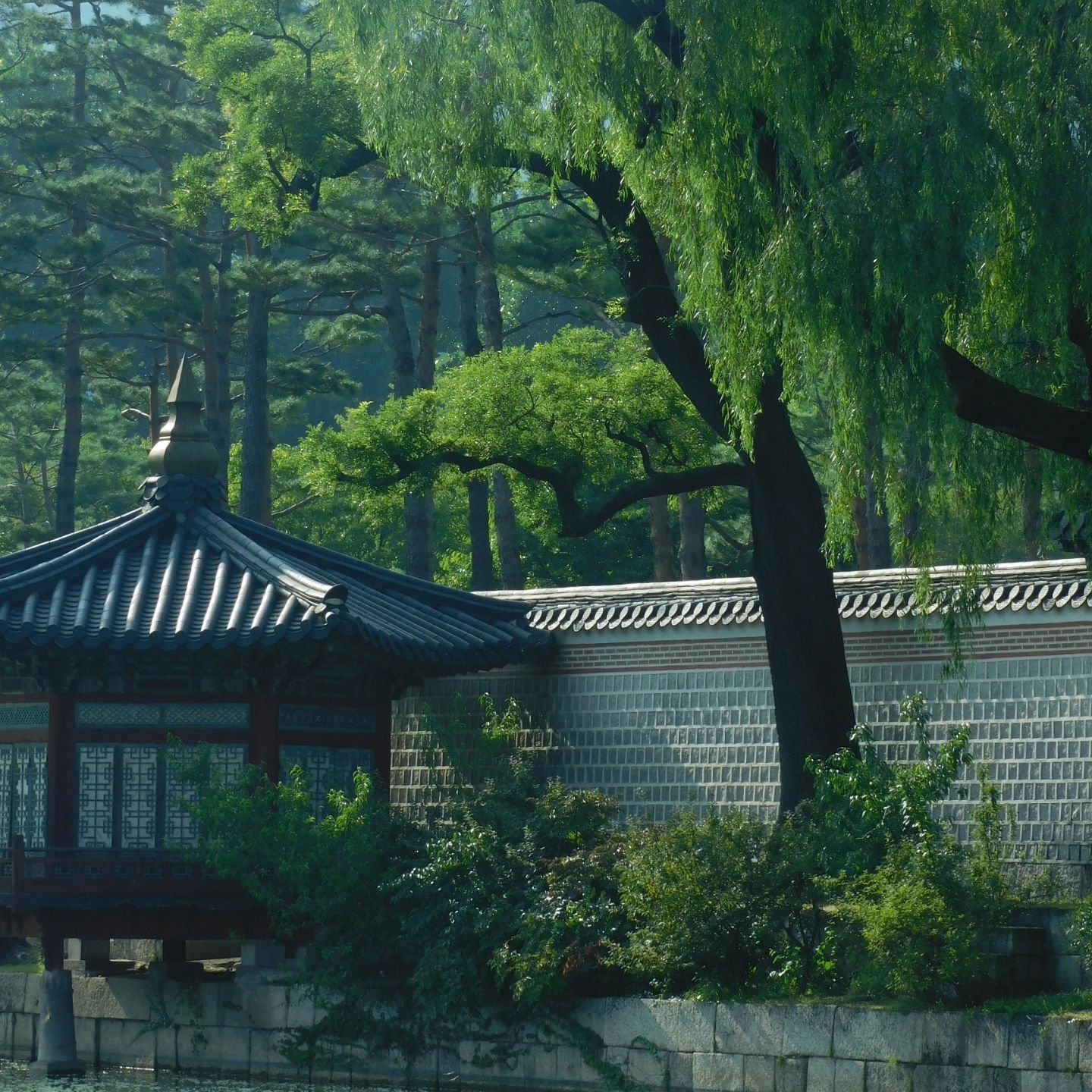
![Jeju-do (제주도) is one of those places that reminds you of how stunning the world is
[7.12.2024 부터 7.14.2024 까지]](https://images.squarespace-cdn.com/content/v1/5ea1f794501b7153b29e7cd7/1721033601522-554E76HR01JUHDWZBJ1I/image-asset.jpeg)